9 Small Kitchen Organization Zones To Maximize Your Space
This site contains affiliate links, view the disclosure for more information.
A cramped kitchen doesn’t have to mean compromised functionality. Creating dedicated small kitchen organization zones turns even the tightest spaces into efficient cooking areas. The strategy lies in defining specific areas for specific tasks, which cuts down on clutter and wasted movement.
Why Zone-Based Organization Works in Compact Spaces
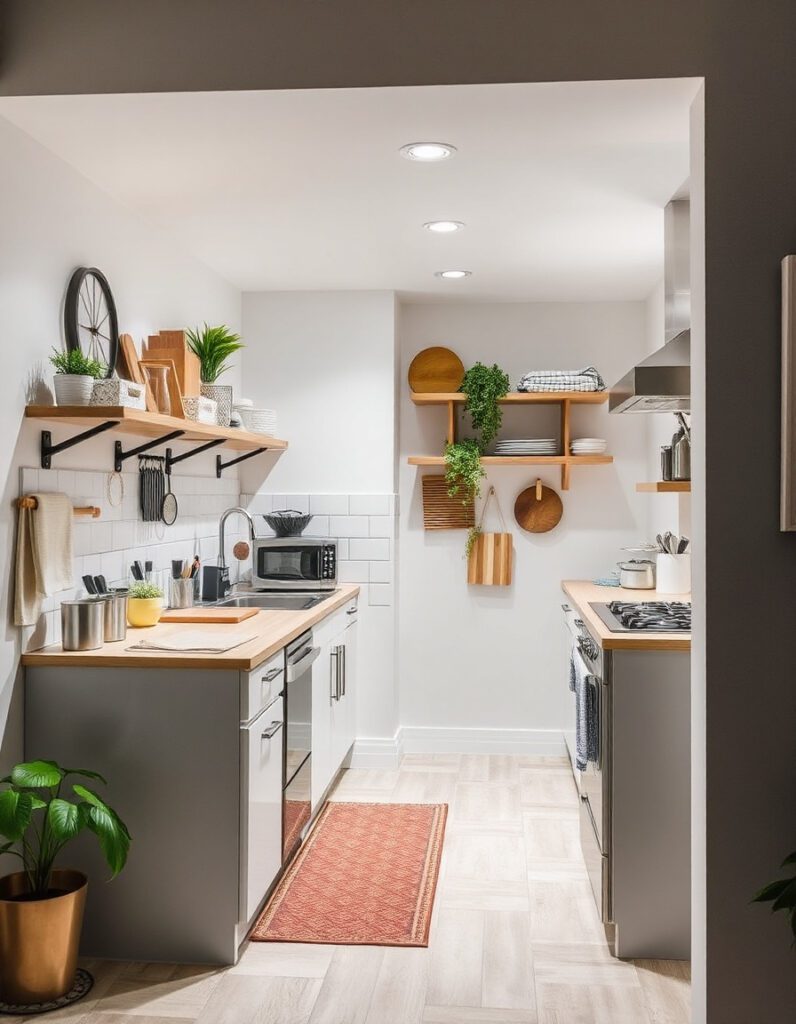
When you’re working with limited square footage, every inch counts. Kitchen storage zones create a logical flow that reduces the back-and-forth shuffle during meal prep. Instead of random placement, items live where you’ll actually use them. This approach eliminates the frustration of digging through cabinets and keeps counters clear for actual cooking.
1. Cooking Zone Around Your Stove With Essential Tools
Position your most-used cooking utensils, oils, and spices within easy reach of the stove. A wall-mounted magnetic strip holds knives and metal tools without eating up drawer space. Store pot holders and wooden spoons in a small crock right on the counter.
2. Prep Zone With Cutting Boards and Knives Close By
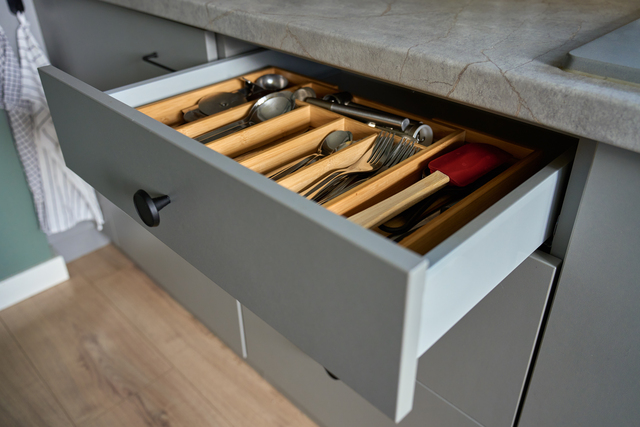
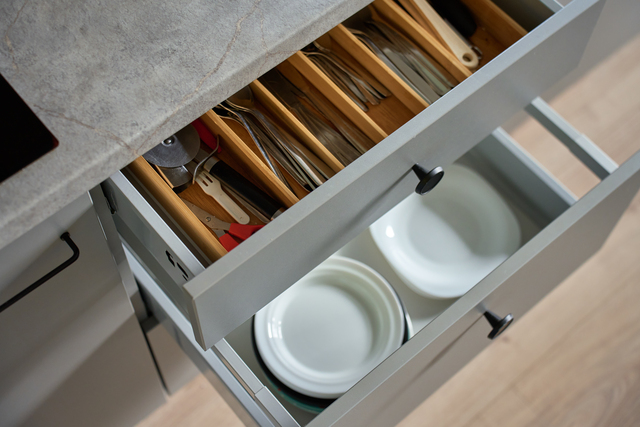
Designate your main workspace for chopping and assembling ingredients. Keep cutting boards vertical in a narrow slot or rack to save space. Store knives, peelers, and measuring tools in the closest drawer. This becomes your command center for meal assembly.
3. Cleaning Zone Organized Under the Sink
The cabinet under your sink holds more than you’d think with the right setup. Use stackable bins to separate sponges, brushes, and cleaning supplies. Hang spray bottles on a mounted rod attached to the cabinet door. Vertical organizers double your storage capacity in this often-wasted space.
Read More: 9 Bathroom Counter Organization Rules That Reduce Visual Clutter
4. Baking Zone in One Lower Cabinet or Pantry Section
Consolidate flour, sugar, baking powder, and mixing bowls in a single area. Clear containers with labels help you see exactly what you have at a glance. Store measuring cups and spoons in the same spot to avoid hunting when you’re ready to bake.
5. Food Storage Zone Near Your Refrigerator
Keep containers, plastic wrap, and foil close to where you’ll pack up leftovers. Stack containers with their lids attached or use a separate organizer for lids. This small kitchen organization zone prevents the dreaded container avalanche and speeds up cleanup.
Also Read: How To Keep A Studio Kitchen Organized With Minimal Cabinets
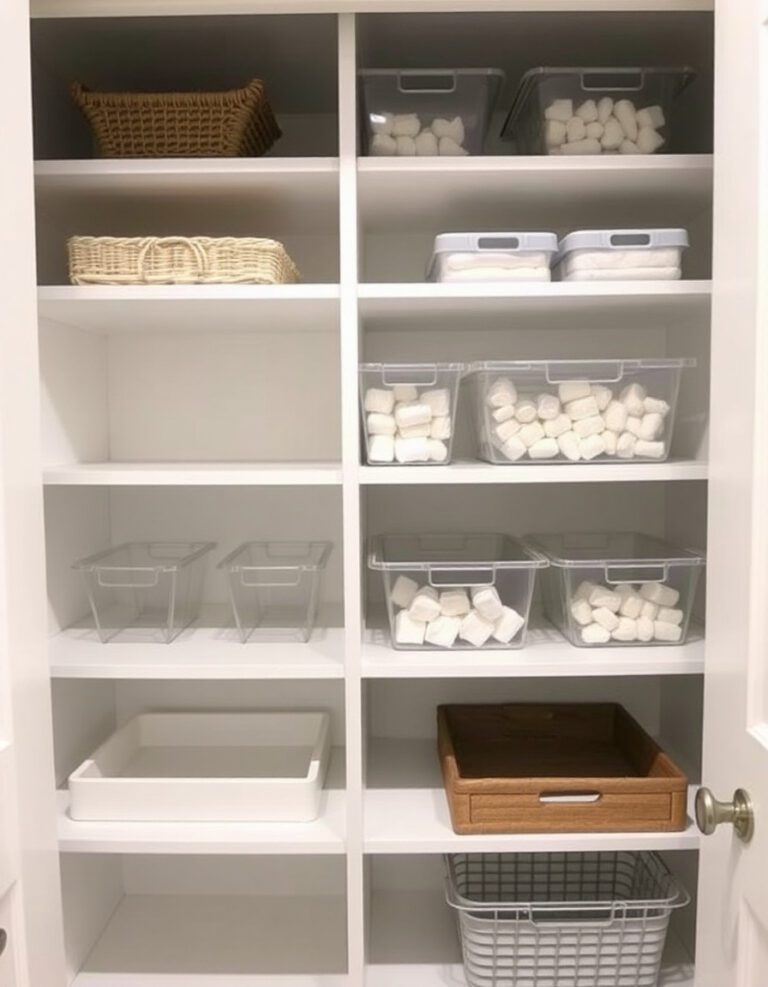
6. Pantry Zone With Shelf Risers and Clear Bins
Even a narrow pantry becomes functional with the right tools. Shelf risers let you see items in the back without moving everything in front. Use clear bins to group similar items. Label everything to maintain the system.
7. Dish Zone Close to the Dishwasher or Drying Rack
Position your everyday plates and bowls near where they’ll be cleaned and dried. This cuts down on steps during both unloading and table-setting. A dish rack that fits in your sink creates extra drying space without taking up counter real estate.
8. Spice Zone on a Wall-Mounted Rack or Narrow Shelf
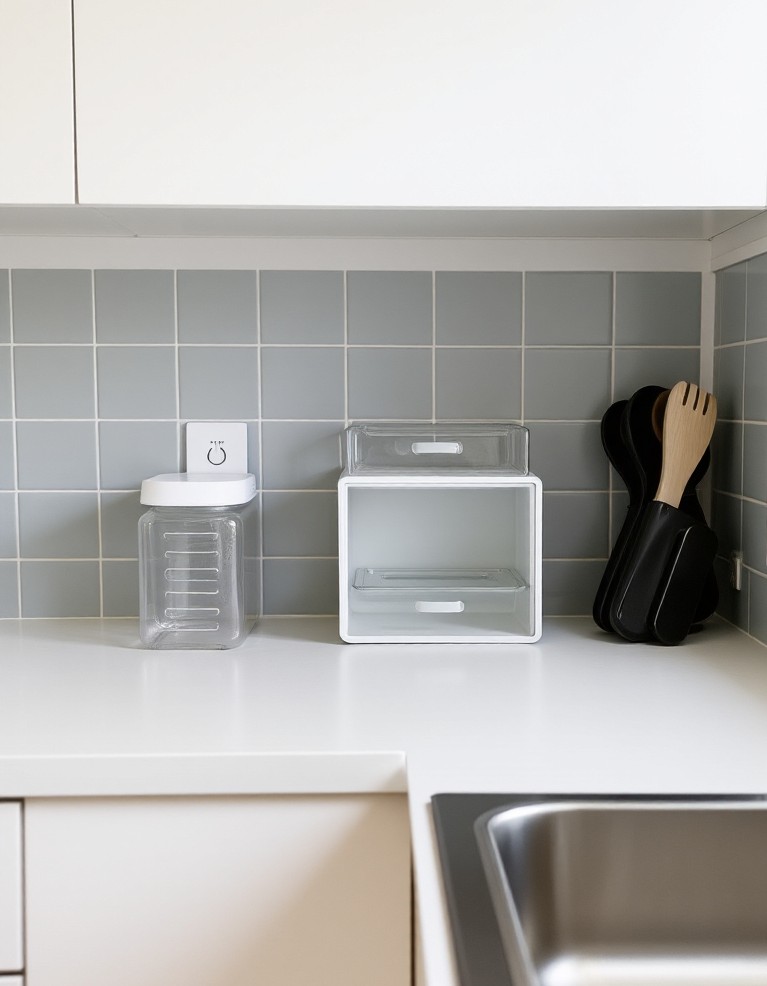
Free up cabinet space by moving spices to the wall with adhesive magnetic strips or a mounted rack. Keep the ones you use daily at eye level and within arm’s reach of your cooking zone. Small jars in uniform sizes create visual order and make selection faster.
Read More: 6 Under-Sink Storage Ideas For Tiny Apartment Kitchens
9. Snack Zone in One Accessible Cabinet or Drawer
Dedicate a single pull-out drawer or lower cabinet to grab-and-go items. Use small bins to separate different types so family members can find what they need quickly. This prevents random bags from migrating all over the kitchen.
Quick Strategies to Maintain Your Kitchen Organization Zones
Once your zones are set up, keep them functional with minimal effort. Return items to their designated spots right after use instead of setting them down temporarily. Do a quick zone reset while dinner cooks or coffee brews. Adjust zones seasonally if your cooking habits change.
Frequently Asked Questions
How do you organize a small kitchen with limited space? Start by defining specific kitchen work zones based on your cooking routine. Use vertical storage with wall-mounted racks and stackable organizers. Keep only the items you actually use and store occasional-use tools elsewhere.
How can I maximize storage in a tiny kitchen? Install shelf risers inside cabinets to double your storage capacity. Use the inside of cabinet doors with mounted racks or hooks. Magnetic strips on walls hold knives and tools without taking up drawer space.
Where should things be stored in a small kitchen? Store items where you’ll use them first. Keep cooking utensils near the stove, prep tools near your cutting board, and dishes close to the dishwasher. Frequently used items should live in the most accessible spots.
How many zones do I need in a small kitchen? Most compact kitchen layouts work well with 4-7 core zones. Focus on cooking, prep, cleaning, and storage first.
What’s the biggest mistake in organizing small kitchen spaces? Trying to store everything in one area creates chaos quickly. Spreading items across too many scattered locations wastes time and movement. The key is grouping related items in dedicated, logical zones.
Do kitchen organization zones work in rental kitchens? Zone-based organization works in any kitchen since it focuses on placement rather than permanent changes. Use removable adhesive hooks, freestanding shelf risers, and portable organizers. You can take everything with you when you move.
How do I decide what goes in each zone? Watch your movement patterns while cooking a typical meal. Notice which items you reach for together and where you naturally want them placed. Group those items in the closest available storage to that work area.
Final Thoughts
Small kitchen organization zones transform how you move through your cooking space. By assigning specific homes to specific items, you’ll spend less time searching and more time actually cooking. Start with the zones you use most, then build out from there as you see what works.