This site contains affiliate links, view the disclosure for more information.
Kitchen gadgets tend to multiply over time. That toaster, blender, air fryer, and mixer all need a home, but counter space only goes so far.
Finding the right small appliance storage ideas can help you reclaim your workspace. These practical approaches work whether you have cabinets to spare or need creative solutions for tight quarters.
Why Small Appliance Organization Matters in Your Kitchen
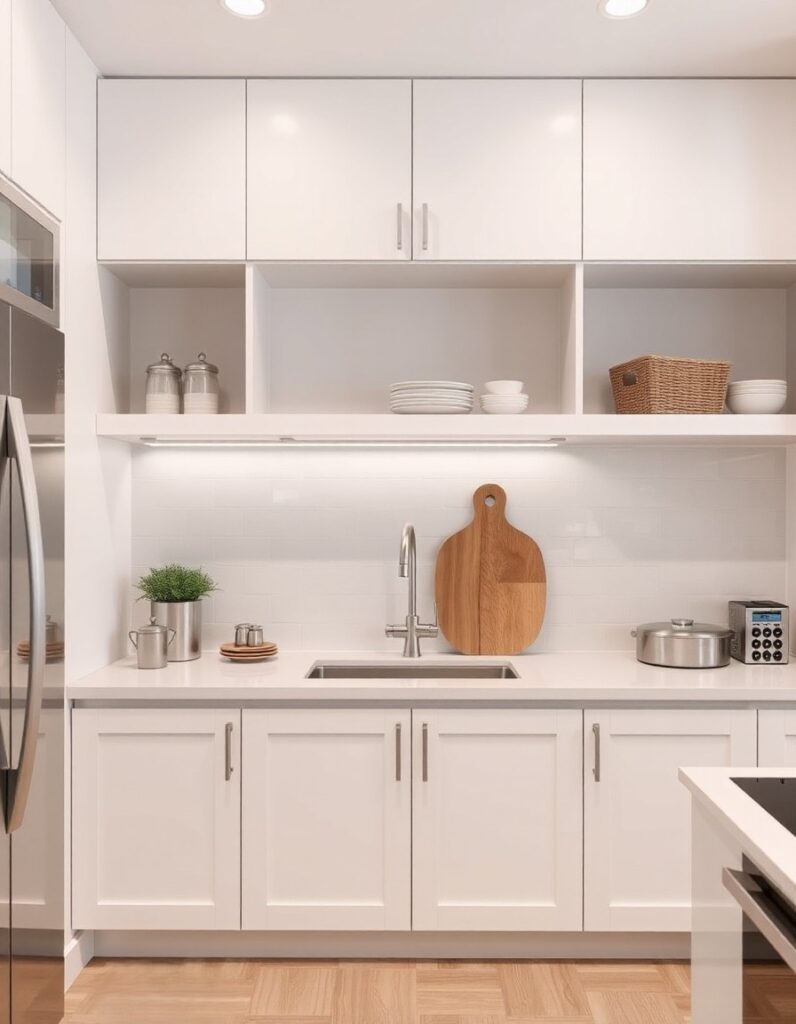
Countertop clutter can make cooking feel chaotic. When appliances crowd your workspace, meal prep takes longer and cleaning becomes frustrating.
Good kitchen appliance organization does more than create visual order. It can make frequently used items more accessible while protecting gadgets you don’t need daily.
The right approach depends on your kitchen layout and which appliances you actually use. Some might earn counter space, while others belong tucked away until needed.
1. Appliance Garage Cabinets Keep Counters Clear While Maintaining Quick Access
An appliance garage is a dedicated cabinet space with a door that rolls up or swings open. This creates a designated zone for small appliances without sacrificing accessibility.
You can store your coffee maker, toaster, or blender inside and pull them forward when needed. The door closes to hide everything between uses.
This type of appliance cabinet storage works well for items you use daily but don’t want on display. Just measure your appliances before installing to ensure proper fit.
2. Rolling Carts Offer Flexible Small Kitchen Storage That Moves With You
A rolling kitchen cart provides portable storage that adapts to your needs. Park it against a wall when not in use, then wheel it to your prep area when cooking.
These carts often include shelves or drawers for organizing multiple appliances. Some models have outlets built in, letting you use appliances right on the cart.
This solution works particularly well in smaller kitchens where permanent storage is limited. You can tuck the cart into a pantry or corner, then bring it out as needed.
3. Deep Drawer Organizers Create Hidden Spots for Compact Appliance Storage
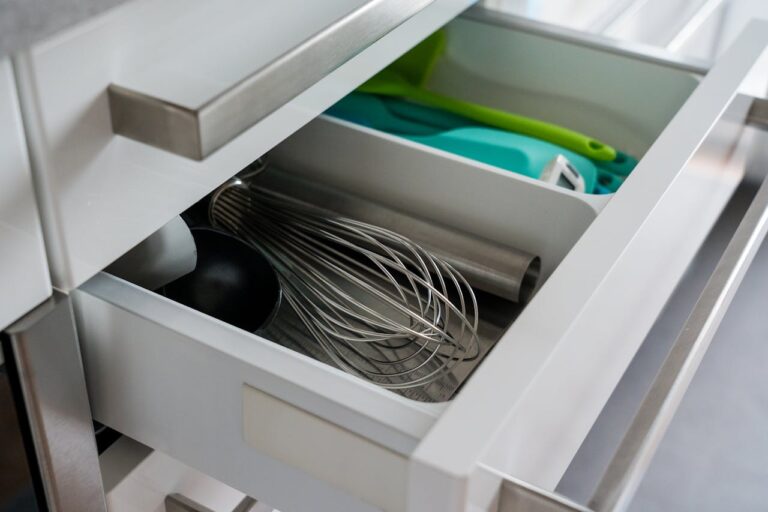
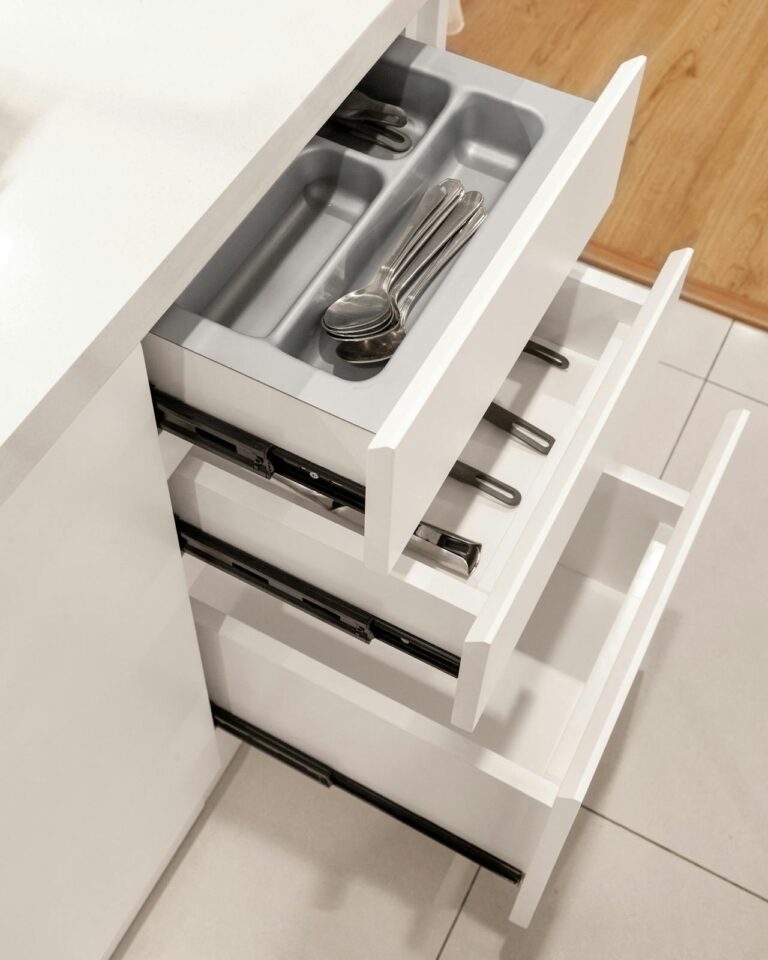
Lower kitchen drawers can hold more than pots and pans. Deep drawers with dividers keep smaller appliances organized and out of sight.
Hand mixers, immersion blenders, and food processors often fit well in these spaces. Adding foam inserts or adjustable dividers prevents items from shifting around.
This approach works best for appliances you use occasionally but want to keep accessible. Pull-out drawers make it easier to reach items in back without unpacking everything.
Also Read: 6 Ways to Organize Spices When You Cook Often
4. Upper Cabinet Shelving Maximizes Vertical Space for Kitchen Appliance Organization
Cabinets above your counter offer valuable real estate for appliances you don’t use daily. Installing shelf risers or adjustable shelving helps you make the most of vertical space.
Consider adding labels to help household members find and return items easily. This can help maintain your organization system over time.
5. Corner Cabinet Solutions Turn Awkward Spaces Into Small Appliance Storage
Corner cabinets often become dead zones where items disappear. Turning tray or pull-out corner organizers can transform these areas into functional storage.
A rotating shelf lets you access appliances stored in back without emptying the entire cabinet. Pull-out systems bring the whole corner forward with one motion.
This strategy works well for bulkier items like stand mixers or large food processors. Just ensure the rotating mechanism can handle the weight before loading it up.
Read More: 9 Smart Storage Solutions for Countertop Appliances You Rarely Use
6. Open Shelving Displays Attractive Appliances While Keeping Them Accessible
If you have appliances with appealing designs, open shelving turns storage into décor. This works especially well for vintage-style items or colorful gadgets.
Mount sturdy shelves at a height that makes grabbing items comfortable. Group appliances by frequency of use, keeping daily items at the most accessible level.
Keep in mind that open storage means appliances collect dust more quickly. You might wipe them down more often than items stored behind cabinet doors.
7. Pantry Zones Organize Kitchen Gadgets by Function and Frequency
A walk-in or reach-in pantry can hold more than food. Dedicating specific shelves to small appliances creates a centralized storage system.
Group items by how often you use them or by their function. Breakfast appliances might share one shelf, while baking tools occupy another.
This declutter small appliances approach keeps your kitchen feeling open while maintaining easy access. Label shelves to help everyone in your household maintain the system.
Quick Tips to Make Appliance Storage Solutions Work Better
Before organizing, take stock of what you actually use. Appliances that haven’t been touched in six months might be candidates for donation or storage elsewhere. Measure your cabinet and shelf dimensions before buying storage accessories
Cord management matters as much as appliance placement. Velcro ties or cord wraps prevent tangled messes and make items easier to grab quickly.
Consider weight distribution when stacking items. Heavier appliances belong on lower shelves to prevent accidents and make retrieval safer.
Frequently Asked Questions About Small Appliance Storage Ideas
Where should I store small appliances I rarely use?
Upper cabinets, basement storage, or garage shelving work well for appliances you only need seasonally. Make sure these spaces stay dry to prevent damage. Keep instruction manuals with the appliances so you remember how to use them when the time comes.
How do I organize small appliances in a small kitchen?
Focus on vertical storage and multi-functional furniture. Wall-mounted shelves, rolling carts, and cabinet organizers can maximize limited space. Keep only your most-used appliances on counters and store the rest in cabinets or a nearby pantry.
What is the best way to store kitchen appliances?
The best approach depends on how often you use each item. Daily appliances might earn counter or appliance garage space, while occasional-use items belong in cabinets or pantry zones. Group similar items together and ensure heavier appliances sit on lower, sturdy shelves.
How can I keep my countertops clutter free?
Designate specific homes for each appliance and return items after use. Use cabinet or drawer storage for anything you don’t use daily. A rolling cart can provide extra workspace without permanent counter clutter.
Should I unplug small appliances when not in use?
Unplugging appliances can save energy and reduce fire risk, though the actual energy savings tends to be small for most modern appliances. It also protects devices from power surges. This practice makes more sense for appliances used infrequently.
How do I protect small appliances in storage?
Keep appliances in dry areas away from temperature extremes. Dust covers or the original boxes can provide protection. Make sure cords are wrapped loosely to prevent damage, and avoid stacking heavy items on top of fragile appliances.
Making Your Kitchen Work for Your Small Appliance Storage Needs
Managing kitchen gadgets doesn’t require a major renovation. Small changes to how you use cabinet space, vertical areas, and portable storage can create room for everything.
The right small appliance storage ideas depend on your specific kitchen layout and cooking habits. Start with one approach that addresses your biggest frustration, then build from there as needed.