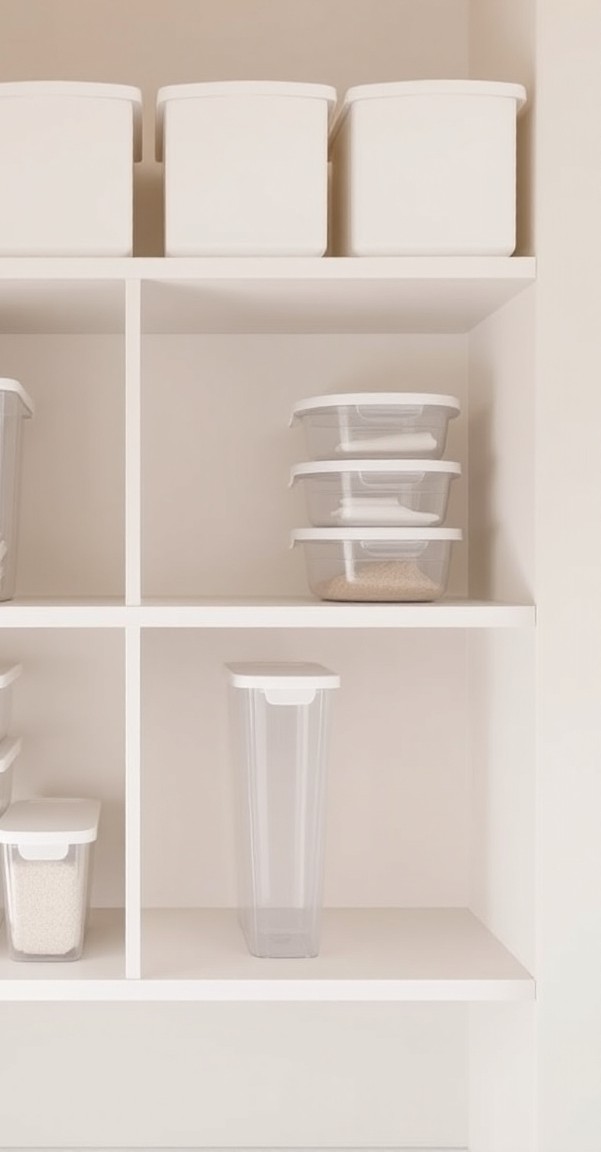
6 Ways to Store Baking Ingredients Without Bulk Containers
This site contains affiliate links, view the disclosure for more information.
If you’re working with limited space or just want to skip the container clutter, there are plenty of ways to store baking ingredients without containers. These methods can help keep your pantry organized while using what you already have.
Let’s look at some practical alternatives that might work for your kitchen.
Why Container-Free Storage Can Work
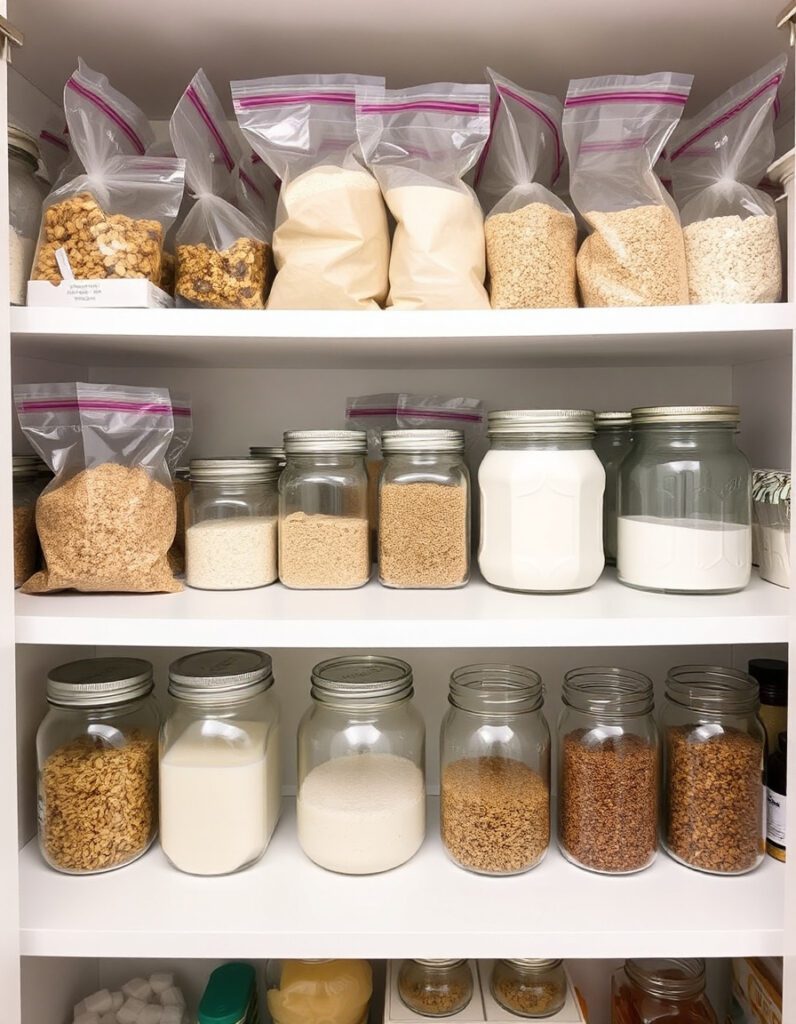
Bulk containers aren’t the only option for baking ingredient storage. Many kitchens don’t have room for matching sets, and sometimes the original packaging works just fine.
The key is finding methods that keep ingredients fresh and accessible. Some alternatives can actually save space and make it easier to see what you have on hand.
1. Keep Baking Ingredients in Their Original Bags with Clips
Original packaging often works well for store baking ingredients without containers. Fold the top of the bag down and secure it with a binder clip or bag clip.
This method works especially well for flour, sugar, and baking mixes. The bags usually have printed instructions you might want to reference later.
Store clipped bags in a drawer or on a shelf where they can stand upright. This keeps them visible and easy to grab when you need them.
2. Use Mason Jars You Already Own for Baking Essentials Storage
Mason jars offer a simple way to organize baking supplies without investing in matching containers. They seal tightly and let you see contents at a glance.
Standard sizes work for most ingredients. Wide-mouth jars make scooping easier for things like brown sugar or baking soda.
You can label jars with masking tape if needed. They stack reasonably well and fit in most cabinet spaces.
3. Try Resealable Pouches for Flexible Pantry Organization Ideas
Reusable silicone or plastic pouches can hold baking ingredients and take up less space than rigid containers. They flatten when partially empty, which helps in tight storage areas.
These work particularly well for ingredients you use less frequently. Things like coconut flour or specialty sugars stay fresh in sealed pouches.
Stand pouches upright in a basket or bin. This creates a system that’s easy to sort through without multiple containers taking up shelf space.
Also Read: 7 Fixes for Meal Prep Containers That Don’t Store Well
4. Store Flour and Sugar in Large Ziplock Bags
Gallon-size ziplock bags offer an alternative storage method that’s both airtight and space-efficient. Pour ingredients directly into the bags and press out excess air before sealing.
Double-bagging can add extra protection against spills or pests. This method works well if you buy smaller quantities and use ingredients regularly.
Label bags with a permanent marker. They can lay flat in drawers or stand up in bins, depending on your kitchen storage solutions.
5. Repurpose Glass Jars from Other Foods for Kitchen Storage Solutions
Clean jars from pasta sauce, pickles, or other foods can become free storage options. Make sure lids seal properly and wash thoroughly before using.
These work well for smaller amounts of ingredients like yeast, cornstarch, or cocoa powder. Mixing different jar sizes can actually help you identify contents quickly.
Group similar jars together on a shelf or in a cabinet. This creates a cohesive look without buying new storage supplies.
Read More: 9 Smart Storage Solutions for Countertop Appliances You Rarely Use
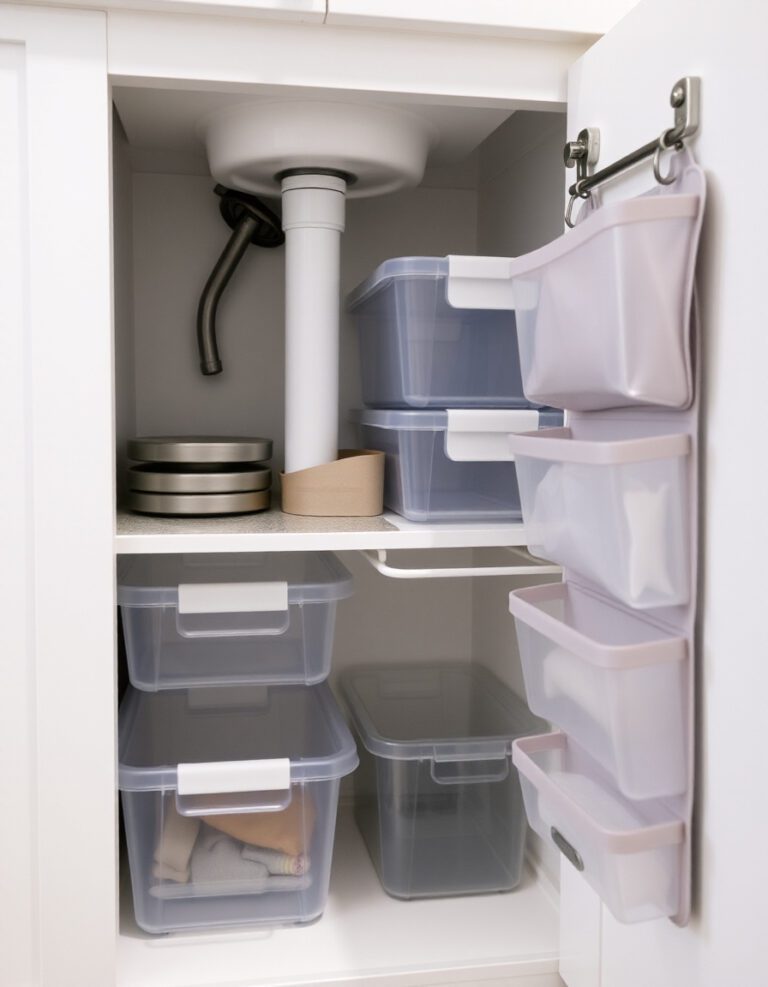
6. Use Baskets or Bins to Group Packaged Baking Supplies
A simple basket can organize baking ingredients that are still in their original packaging. This works as a pull-out system in deep cabinets or pantries.
Choose a bin that fits your space and holds what you use most often. You can group items by type.
This method keeps things contained without requiring you to transfer anything. It’s one of the simplest non-container storage options available.
What to Watch Out For
Some ingredients need more protection than others. Flour and sugar can attract pests if packaging isn’t sealed well, so check bags regularly.
Humidity can affect baking powder and baking soda. If you live in a damp climate, consider which alternative storage methods offer the tightest seal.
Keep an eye on expiration dates when ingredients aren’t in see-through containers. A quick monthly check can help prevent using anything that’s gone stale.
Frequently Asked Questions
How do you store baking ingredients without plastic containers?
You can use original packaging with strong clips, mason jars, or resealable pouches. The key is creating an airtight seal that keeps moisture and pests out.
Glass jars work well if you want to avoid plastic entirely. Many baking ingredients stay fresh in their original bags when properly sealed and stored in a cool, dry place.
What can I use instead of containers for baking supplies?
Mason jars, ziplock bags, and reusable pouches all work as alternatives. Baskets or bins can organize items that stay in their original packaging.
Repurposed glass jars from other foods offer a free option. The best choice depends on your space and how quickly you use different ingredients.
How to organize baking ingredients in small spaces?
Stackable options like mason jars or flat pouches can maximize vertical space. Baskets that pull out make deep cabinets more functional.
Keeping items in original bags with clips saves space since they can conform to shelf shapes. Group similar items together so everything has a designated spot.
Can you store flour and sugar without containers?
Yes, flour and sugar can stay in their original bags if sealed properly with clips or rubber bands. Double-bagging in ziplock bags adds extra protection.
These ingredients can last several months when stored in a cool, dry place. Just make sure the seal is tight to prevent moisture or pests from getting in.
Do baking ingredients need airtight storage?
Most baking ingredients benefit from airtight storage to maintain freshness and prevent clumping. Flour, sugar, and leavening agents like baking powder work best with minimal air exposure.
Some ingredients are more forgiving than others. Salt and certain spices can handle less-perfect seals, but moisture-sensitive items need tighter protection to stay usable.
Simple Storage That Works
Finding ways to store baking ingredients without containers comes down to using what fits your space and habits. The methods above can help you organize baking supplies without investing in matching sets or specialized products.
Try one or two approaches and see what feels manageable. The right kitchen storage solutions are the ones you’ll actually use and maintain over time.