This site contains affiliate links, view the disclosure for more information.
When you bring home a large stockpot or roasting pan only to find it won’t fit in your cabinets, you’re left with a storage puzzle. Standard kitchen cabinets often can’t accommodate oversized pots, especially in compact spaces. These storage alternatives can help you reclaim counter space and keep your cookware accessible.
Why Standard Cabinets Struggle with Large Pot Storage
Most kitchen cabinets are designed with standard-sized cookware in mind. The average cabinet shelf sits 10 to 12 inches apart, which works fine for everyday pans.
But oversized pots like stockpots, canning pots, or large Dutch ovens often measure 12 to 16 inches tall. That height makes them difficult to stack or store conventionally.
Cabinet depth can also limit what fits comfortably. When large pot storage becomes a challenge, rethinking your approach to kitchen cabinet space tends to be more practical than fighting with cramped shelves.
1. Install a Wall-Mounted Pot Rack for Oversized Pot Organization
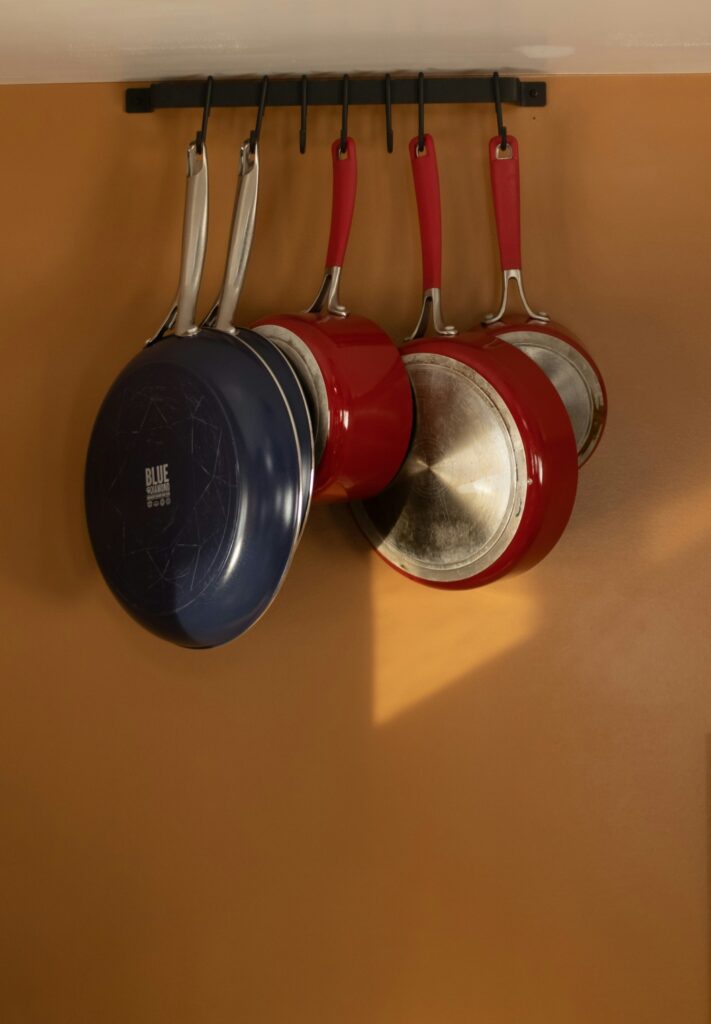
A wall-mounted rack creates vertical storage without taking up any cabinet or counter space. These racks attach directly to your wall and feature hooks or rails designed to hold heavy cookware.
Look for models with reinforced brackets that can support 30 to 50 pounds. Position the rack near your stove for convenient access during cooking.
Some designs include a shelf on top for lids or smaller items. This approach works especially well in kitchens with limited cabinet storage but available wall space.
2. Use a Ceiling Pot Rack to Store Large Cookware Above Counter Space
Ceiling racks hang from your kitchen ceiling and provide storage that keeps counters and cabinets clear. Most models feature a grid or bar design with S-hooks that let you hang pots at varying heights.
Make sure your ceiling can support the combined weight of the rack and your oversized cookware. Installation typically requires mounting into ceiling joists or using heavy-duty anchors.
Choose a style that complements your kitchen layout. Rectangular racks work well over islands, while circular designs can fit above corner spaces.
Also Read: 8 Pantry Lighting Solutions That Can Help You Stay Organized
3. Repurpose Lower Cabinet Space with Adjustable Shelf Risers for Pot Storage
If you have deep lower cabinets, adjustable shelf risers can create two levels of storage within one cabinet. Place smaller pots on the riser platform and tuck larger ones underneath.
This method maximizes vertical space inside existing cabinets. Look for sturdy metal or bamboo risers that won’t sag under the weight of cast iron or stainless steel.
You can also remove one shelf entirely to create a tall storage zone specifically for your largest pots. Keep frequently used items toward the front for easier access.
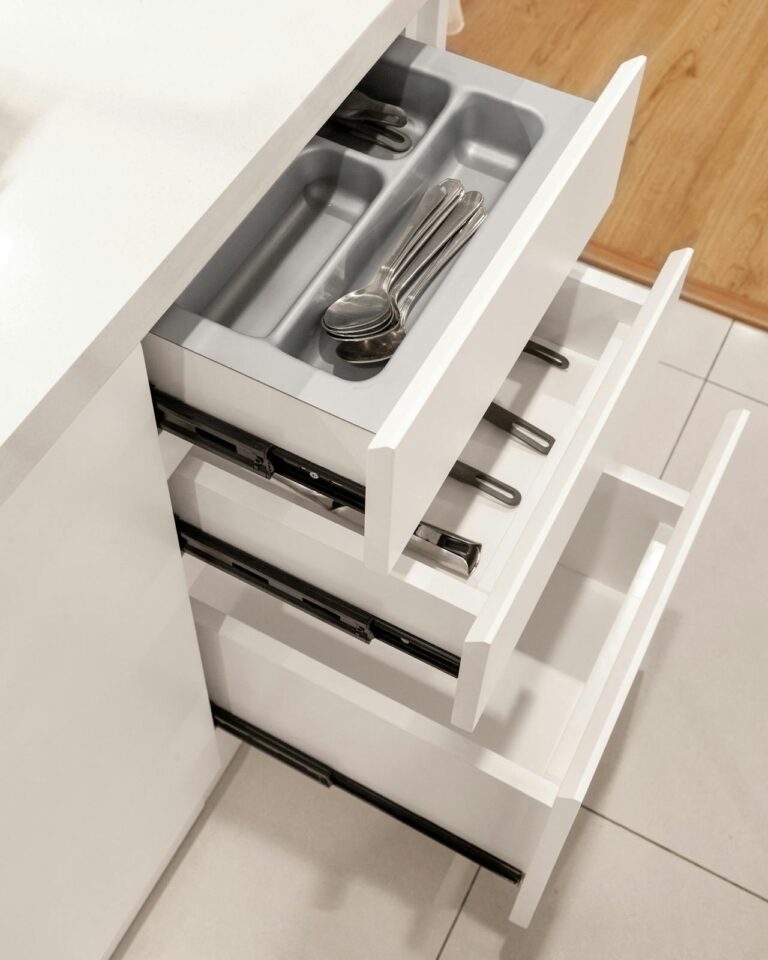
4. Store Oversized Pots in a Base Cabinet Pullout Organizer
Pullout organizers transform deep base cabinets into accessible storage. These sliding shelves extend fully, letting you reach items in the back without awkward bending or digging.
Heavy-duty pullouts can support 75 to 100 pounds, which makes them suitable for storing large cookware collections. Install dividers to keep pots upright and prevent scratching.
This solution works particularly well for corner cabinets that might otherwise become dead space. The smooth gliding mechanism makes retrieving heavy pots less physically demanding.
5. Convert Unused Pantry or Closet Space into Pot Storage Areas
If you have a pantry, linen closet, or coat closet near your kitchen, consider dedicating a section to oversized pots. Add freestanding shelving or wall-mounted brackets at appropriate heights.
This approach removes the storage burden from your kitchen entirely. You might store less-frequently-used items like canning pots or holiday roasters in these spaces.
Label shelves or use clear bins to keep track of what’s stored where. The extra steps to retrieve items can feel worth it when it frees up prime kitchen real estate.
Read More: 9 Under Sink Storage Solutions to Organize Your Cleaning Supplies
6. Try a Rolling Kitchen Cart for Flexible Oversized Pot Storage
A rolling cart with open shelving provides movable storage that can adapt to your needs. Park it next to your stove during meal prep, then roll it out of the way when you need floor space.
Choose a cart with sturdy wheels and shelves deep enough to accommodate your largest pots. Some models include hooks on the sides for hanging lids or utensils.
This option works well for renters or anyone who wants kitchen storage solutions without permanent installation. You can also use the top surface as extra prep space when needed.
Also See: 6 Smart Ways to Organize Kitchen Wrap and Foil
What to Keep in Mind When Choosing Pot Storage Solutions
Consider how often you use each pot before deciding where to store it. Items you reach for daily should stay in the most accessible spots, while seasonal cookware can go in harder-to-reach areas.
Measure your pots and your available space before purchasing any storage system. A few inches can make the difference between a solution that works and one that frustrates you.
Think about weight distribution too. Wall-mounted systems need proper anchoring, and ceiling racks require adequate support from joists or beams.
Frequently Asked Questions About Oversized Pots Storage Solutions
How do you store pots that don’t fit in cabinets?
Wall-mounted racks and ceiling pot racks work well for pots that exceed cabinet dimensions. These systems utilize vertical space and keep cookware accessible.
You can also repurpose nearby closet space or use a rolling cart that doesn’t rely on cabinet dimensions at all.
Where to put large pots in a small kitchen?
Vertical storage options like wall or ceiling racks can help maximize limited space. These keep counters clear while making use of often-overlooked wall areas.
Rolling carts offer flexibility in tight kitchens since you can move them as needed. Corner cabinets with pullout organizers can also provide hidden storage for bulky items.
How to organize pots when cabinets are too small?
Start by removing one shelf in a lower cabinet to create a taller storage zone. Install shelf risers to split cabinet space into two levels for different pot sizes.
Consider external storage like wall-mounted racks or carts as alternatives. Pullout organizers in base cabinets can also make existing space more functional.
Can you hang heavy cast iron pots on wall racks?
Most quality wall-mounted pot racks can support 30 to 50 pounds when properly installed. Make sure to anchor the rack into wall studs rather than just drywall.
Check the weight rating of both the rack and your wall’s structure before hanging heavy cookware. Ceiling racks often support more weight than wall-mounted versions.
What’s the best way to protect pots when stacking them?
Place felt pads, dish towels, or paper plates between stacked pots to prevent scratching. This approach works for both cabinet storage and hanging systems where pots might touch.
Store lids separately when possible to reduce the overall stack height. Avoid stacking more than three or four pots to keep them accessible and prevent damage.
Do ceiling pot racks work in kitchens with low ceilings?
Ceiling racks can work in kitchens with 8-foot ceilings if positioned thoughtfully. Hang them high enough to avoid head bumps but low enough to reach the hooks comfortably.
Consider your ceiling height in relation to your own height and the length of your pots’ handles. Some compact ceiling rack designs sit closer to the ceiling to save headroom.
How do you store pot lids when cabinets are full?
Adhesive hooks on cabinet doors can hold lids vertically and save shelf space. File organizers or tension rods installed inside cabinets can also keep lids upright and separated.
Some pot racks include dedicated lid storage on top of the main grid. Magazine holders mounted inside cabinet doors offer another compact solution.
Making Oversized Pots Storage Solutions Work for Your Space
Finding the right storage approach for oversized pots often requires trying a combination of methods. What works can depend on your kitchen layout, how often you cook, and which pots you reach for most.
Start with one solution that addresses your biggest frustration, whether that’s a cluttered counter or an overflowing cabinet. You might find that freeing up just one shelf or adding a single rack creates enough breathing room.
Your kitchen can feel more functional when every pot has a logical home. Experiment with these options until you find what fits your cooking style and space.