6 Fixes for Tall Items That Don’t Fit Standard Shelves
This site contains affiliate links, view the disclosure for more information.
Finding space for tall item storage solutions can feel tricky when standard shelves don’t cooperate. Whether it’s vases, sports equipment, or cleaning supplies, tall storage doesn’t have to mean clutter.
These fixes offer practical ways to make vertical space work better. Each approach addresses different storage challenges, so you can pick what fits your space and needs.
Why Standard Shelves Don’t Always Work
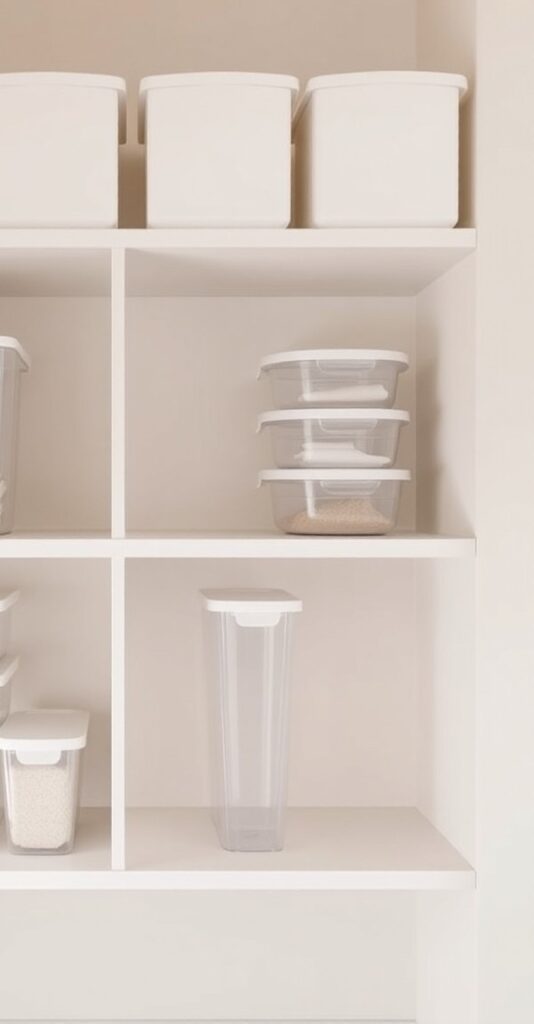
Most shelving units follow average height dimensions that work well for books, bins, and everyday items. But tall objects often exceed these measurements by several inches or more.
The gap between shelf levels typically ranges from 10 to 14 inches. Items taller than this create a storage puzzle that needs different solutions.
1. Install Adjustable Shelving Systems for Flexible Tall Item Storage
Adjustable shelving lets you customize spacing between levels to accommodate varying heights. The mounting tracks allow you to reposition shelves as your storage needs change.
Track-based systems use vertical rails with movable brackets. You can set shelves at any height along the track, creating gaps of 18, 24, or even 36 inches when needed.
This approach works well in closets, garages, and utility rooms where stored items might change over time. The flexibility means you’re not locked into fixed measurements.
2. Use Floor-Based Storage Containers for Oversized Item Organization
Placing tall items directly on the floor in designated containers keeps them stable and organized. Tall baskets, bins, or stands can hold vertical objects without requiring shelf space.
Floor storage works particularly well for items you access frequently. Sports equipment, umbrellas, and cleaning tools stay upright and easy to grab.
Consider adding a mat or tray underneath to protect flooring and create a defined storage zone. This simple boundary helps contain the area visually.
Read More: 8 Ways to Keep Your Dish Drying Rack from Looking Crowded
3. Mount Individual Wall Brackets as Tall Shelf Alternatives
Wall-mounted brackets or hooks provide targeted support for specific tall items. Each piece gets its own mounting point at the exact height it needs.
This method works well for items with handles or loops. Brooms, mops, and yard tools can hang vertically, using minimal floor space while staying accessible.
Spacing matters here. Mount brackets far enough apart that items don’t bump into each other. Leave 4 to 6 inches between mounting points for comfortable access.
4. Create Open Bottom Zones in Existing Shelving Units
Removing the lowest shelf in a bookcase or cabinet creates an open vertical zone underneath. This space can accommodate taller items while upper shelves remain functional.
The height of the second shelf becomes your new clearance limit. Measure carefully to confirm your tall items will fit comfortably in this reconfigured space.
This fix preserves most of your original storage capacity. You’re trading one shelf level for better accommodation of tall storage needs.
Also Read: 6 Ways to Organize Spices When You Cook Often
5. Try Stackable Cube Systems with Varying Heights
Cube organizers offer modular flexibility for vertical space management. You can stack them in different configurations, leaving some cubes open or combining them with taller single units.
Mix cube sizes strategically. A few double-height cubes paired with standard ones creates varied storage options within the same footprint.
These systems work well when you need both tall product storage and regular shelf space. The modular nature lets you adjust the layout as needed.
6. Use Over-Door Organizers for Non-Standard Storage Solutions
Over-door racks with adjustable pockets can hold surprisingly tall items. Many designs feature deep pockets that extend 12 to 18 inches from the door surface.
The vertical layout naturally accommodates height. Items stay contained but visible, making it easy to see what you have at a glance.
This approach works best for lighter tall items. Cleaning bottles, rolled posters, or gift wrap tubes fit well without overloading the door.
Quick Tips to Make Any System Work Better
Group tall items by frequency of use. Keep everyday items in the most accessible spots and store occasional-use pieces in less convenient areas.
Measure twice, install once. Know your tallest item’s exact height before committing to any storage solution. Add 2 to 3 inches of clearance for comfortable access.
Label zones or containers to maintain organization over time. Clear identification helps everyone in the household return items to the right spot.
FAQ
How do you store tall items without shelves?
Floor-based storage containers and wall-mounted brackets offer effective alternatives. Tall baskets can hold items upright on the floor, while individual wall hooks provide vertical support without shelving.
These non-standard storage solutions work well in tight spaces. They can accommodate varying heights without the constraints of fixed shelf spacing.
What can I use instead of shelves for tall objects?
Over-door organizers, freestanding corner racks, and modular cube systems provide flexible options. Each offers different advantages depending on your space and what you’re storing.
Corner racks maximize unused vertical space. Cube systems let you customize height configurations within the same unit.
How do you organize items that are too tall for cabinets?
Adjustable shelving systems let you remove or reposition shelves to create necessary clearance. You can also dedicate floor space using tall bins or create designated zones outside the cabinet.
Wall-mounted solutions move tall item storage away from enclosed spaces entirely. This approach frees up cabinet room for items that fit standard dimensions.
What is the best way to store oversized vertical items?
The best approach depends on item weight, access frequency, and available space. Adjustable systems offer the most flexibility for multiple tall items, while targeted solutions like wall hooks work well for specific pieces.
Consider combining methods for different item types. Heavy tall items might need floor storage, while lighter pieces can use wall-mounted options.
Can you adjust standard shelving units for taller items?
Many standard units allow shelf removal or repositioning. Check whether your shelving uses pin supports or fixed brackets—pin systems typically offer more flexibility.
Removing the bottom shelf creates immediate vertical clearance. This simple modification can solve tall product storage challenges without buying new furniture.
How much clearance do you need above tall stored items?
Allow 2 to 3 inches of clearance above your tallest items for comfortable access. This extra space prevents items from catching or tipping when you remove or replace them.
More clearance helps with stability. Tall items with narrow bases benefit from additional headroom to reduce wobbling during access.
Make Vertical Storage Work for You
Finding the right tall item storage solutions comes down to matching the fix to your specific needs. Whether you choose adjustable systems, floor options, or wall-mounted alternatives, each approach can help make awkward heights more manageable.
Start with measuring your tallest items and available space. From there, pick the solution that offers the best balance of accessibility and capacity for your situation.