8 Storage Solutions Ideas for Small Bathrooms
This site contains affiliate links, view the disclosure for more information.
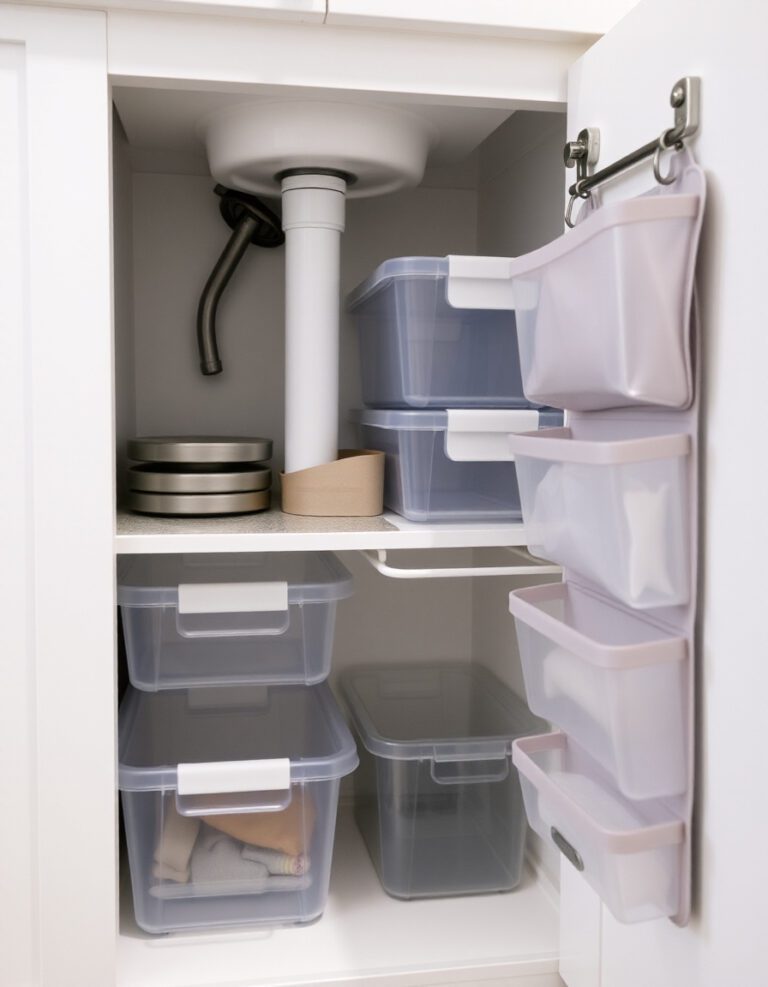
Small bathrooms tend to fill up quickly. Toiletries, towels, and cleaning supplies compete for limited counter and cabinet space. A few thoughtful adjustments might help you keep essentials organized without extensive remodeling.
Why Small Bathroom Storage Needs a Different Approach

Compact bathrooms often lack the floor space for traditional furniture. Standard cabinets and freestanding shelves sometimes make tight spaces feel even more cramped. Focusing on vertical surfaces and hidden spots opens up storage possibilities you might not have considered before.
You don’t need expensive renovations. Simple additions tend to work well when they use overlooked areas like walls, doors, and corners.
1. Wall-Mounted Floating Shelves Create Open Storage Without Taking Up Floor Space
Floating shelves attach directly to bathroom walls. They hold everyday items like folded towels, small plants, or toiletry baskets. Because they don’t touch the floor, they keep sightlines open and make rooms feel less cluttered.
You might install one shelf above the toilet or a short stack near the sink. Shallow shelves work better in narrow bathrooms since they don’t jut out as far. Choose materials that handle moisture well, like sealed wood or metal brackets with glass.
Some people group small containers on these shelves to organize cotton pads, cotton swabs, or hair accessories. Labeling containers keeps things easy to find.
2. Over-the-Toilet Storage Units Utilize Vertical Space That Often Goes Unused
The area above most toilets sits empty. An over-the-toilet shelving unit or cabinet fits into that spot without blocking movement. These units come in different heights and widths to match various bathroom layouts.
Look for designs with open shelves or closed cabinets depending on whether you prefer visible storage or hidden clutter. Open shelves display rolled towels or decorative baskets. Closed cabinets conceal cleaning supplies or backup toiletries.
Installation tends to be straightforward. Many units use tension poles or simple wall anchors. Make sure any unit you choose doesn’t interfere with the toilet tank lid.
Read More: 8 Solutions for Hand Soap Bottles That Tip Over
3. Adhesive Hooks and Magnetic Strips Provide Quick Storage on Walls and Cabinet Doors
Adhesive hooks stick to smooth surfaces without drilling. You might hang towels or loofahs on them.
Both options preserve wall integrity if you rent. They also let you rearrange storage as your needs shift. Hooks come in various weight capacities, so check the rating before hanging heavier items.
4. Tiered Corner Shelves Fit Into Hard to Reach Angles and Maximize Unused Space
Corners often become dead zones in small bathrooms. A tiered corner shelf—sometimes called a corner caddy or tower—turns that angle into usable storage.
Shower corners benefit from rust-resistant metal or plastic caddies. Dry corners near sinks work well with wood or wicker designs. The vertical stacking lets you store multiple items without spreading outward.
Some corner units use tension poles that wedge between floor and ceiling. Others mount directly to walls. Choose based on your bathroom layout and whether you need a portable or permanent solution.
Also Read: 9 Bathroom Counter Organization Rules That Reduce Visual Clutter
5. Slim Rolling Carts Slide Into Narrow Gaps Between Fixtures
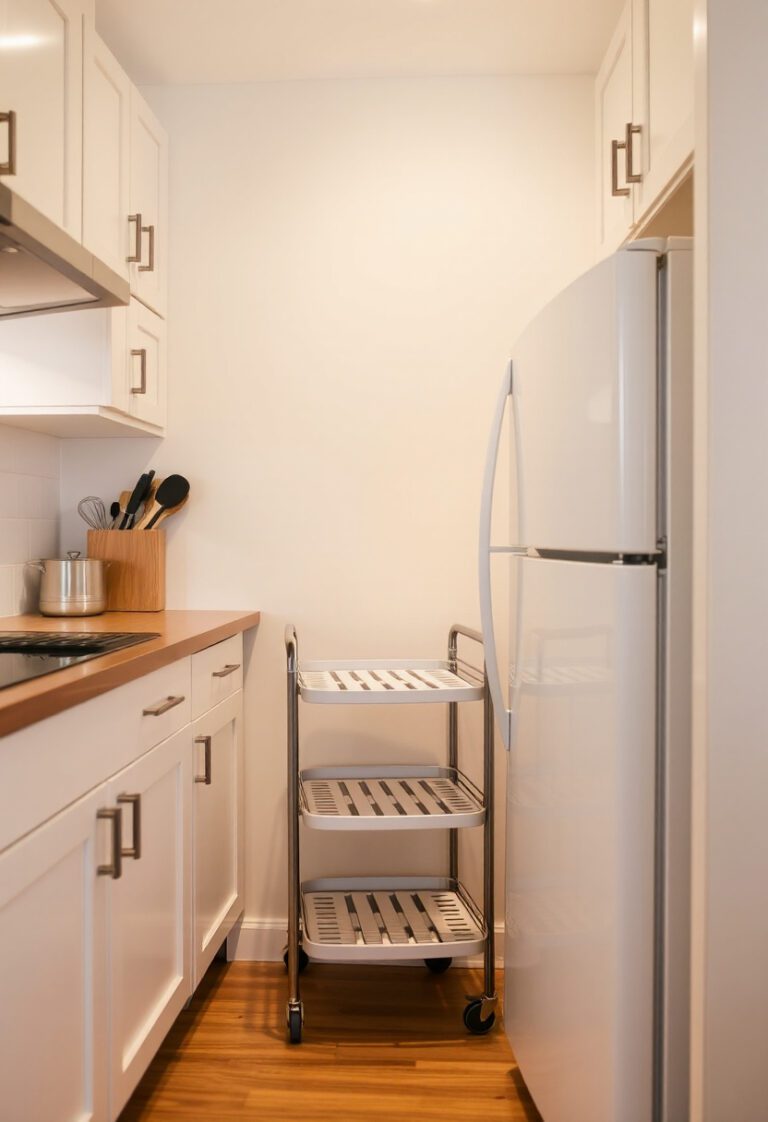
Rolling storage carts come in widths as narrow as six inches. They fit into gaps between the toilet and vanity or beside the bathtub. Pull them out when you need something, then tuck them back into place.
Look for carts with multiple tiers to separate toiletries, cleaning supplies, and extra towels. Wheels make repositioning simple during cleaning routines. Metal or plastic carts handle bathroom humidity better than cardboard or untreated wood.
Some people use the top tier for daily essentials and lower tiers for backup stock. This keeps frequently used items at eye level.
6. Recessed Wall Niches Offer Built-In Storage Without Protruding Into the Room
A recessed niche sits inside the wall cavity. It holds shampoo bottles, soap, or decorative items without jutting into the room. This approach works best during renovations or new construction, but some homeowners add niches to existing walls between studs.
Shower niches keep bath products within reach. Hallway-side niches near bathroom entries store towels or toiletries. Waterproof tile or sealed materials prevent moisture damage in wet areas.
If cutting into walls isn’t an option, faux niches or shallow shadow boxes mounted on the surface create a similar look with less construction.
Read More: How To Stop Your Small Bathroom From Feeling Cluttered
7. Drawer Organizers and Dividers Separate Small Items Inside Existing Cabinets
Bathroom drawers fill up with small items. Without dividers, everything tumbles together. Drawer organizers separate items into sections so you can find what you need quickly.
Adjustable dividers let you customize compartment sizes. Acrylic or bamboo organizers resist moisture and clean easily. Some designs stack vertically to use drawer depth more efficiently.
8. Medicine Cabinets With Interior Shelving Hide Clutter Behind Mirrors
A medicine cabinet combines a mirror with hidden storage. Mounting one above the sink keeps toiletries and medications out of sight while providing a functional reflective surface. Interior shelves adjust to fit various bottle heights.
Recessed medicine cabinets sit flush with the wall. Surface-mounted versions add depth but install more easily. Look for models with adjustable shelves to accommodate tall bottles or short jars.
Some cabinets include interior lighting or outlets for electric toothbrushes. Consider what features match your routine before choosing a design.
What to Avoid When Adding Storage to Small Bathrooms
Oversized furniture makes compact spaces feel cramped. Measure your bathroom carefully before purchasing storage units. Leave enough clearance for doors to open and people to move comfortably.
Dark, bulky pieces tend to visually shrink a room. Lighter colors and open designs help small bathrooms feel more spacious. Avoid stacking too many items on open shelves, which creates visual clutter.
Glass shelves sometimes slip if not properly secured. Check weight limits and use appropriate wall anchors.
Frequently Asked Questions About Small Bathroom Storage
How do you organize a small bathroom with limited space?
Start by decluttering items you don’t use regularly. Store daily essentials in easy-to-reach spots and relocate extras to linen closets or other rooms. Vertical storage solutions like wall shelves and over-the-toilet units help you use height instead of floor space.
Group similar items together in labeled bins or baskets. This keeps counters clear and makes finding things simpler. Focus on one storage addition at a time to avoid overwhelming the space.
What storage works best in tiny bathrooms?
Wall-mounted options tend to work well because they don’t consume floor area. Floating shelves, adhesive hooks, and recessed niches provide storage without blocking movement. Slim rolling carts fit into narrow gaps and pull out when needed.
Medicine cabinets combine mirrors with hidden storage. Over-the-toilet units use vertical space that often sits empty. Choose pieces that match your bathroom’s specific dimensions and layout.
How do you maximize storage in a cramped bathroom?
Use vertical space by installing shelves or cabinets that reach toward the ceiling. Drawer organizers separate small items so you use cabinet depth more efficiently. Multi-tiered storage like corner shelves or rolling carts stacks items upward instead of outward.
Recessed niches add storage without protruding into the room. Adhesive hooks and magnetic strips turn unused wall surfaces into functional spots. Grouping items in labeled containers keeps everything tidy and accessible.
Conclusion
Scale storage small bathrooms around what you actually use. A few well-placed shelves, hooks, or slim carts tend to make a noticeable difference. Focus on vertical surfaces and overlooked corners to keep floors clear and movement comfortable.
Small changes accumulate over time. You might start with one floating shelf or a set of adhesive hooks, then add more as you see what works. Keep adjustments simple, and your bathroom storage can grow with your needs.