6 Fixes for Cabinets With Hard to Reach Corner Space
This site contains affiliate links, view the disclosure for more information.
Corner cabinets tend to create storage challenges in most kitchens. The back areas stay out of reach, and items might get forgotten or lost. A few simple adjustments help make these hard to reach cabinet corners more usable without major renovation work.
Why Corner Cabinet Space Becomes Difficult to Use
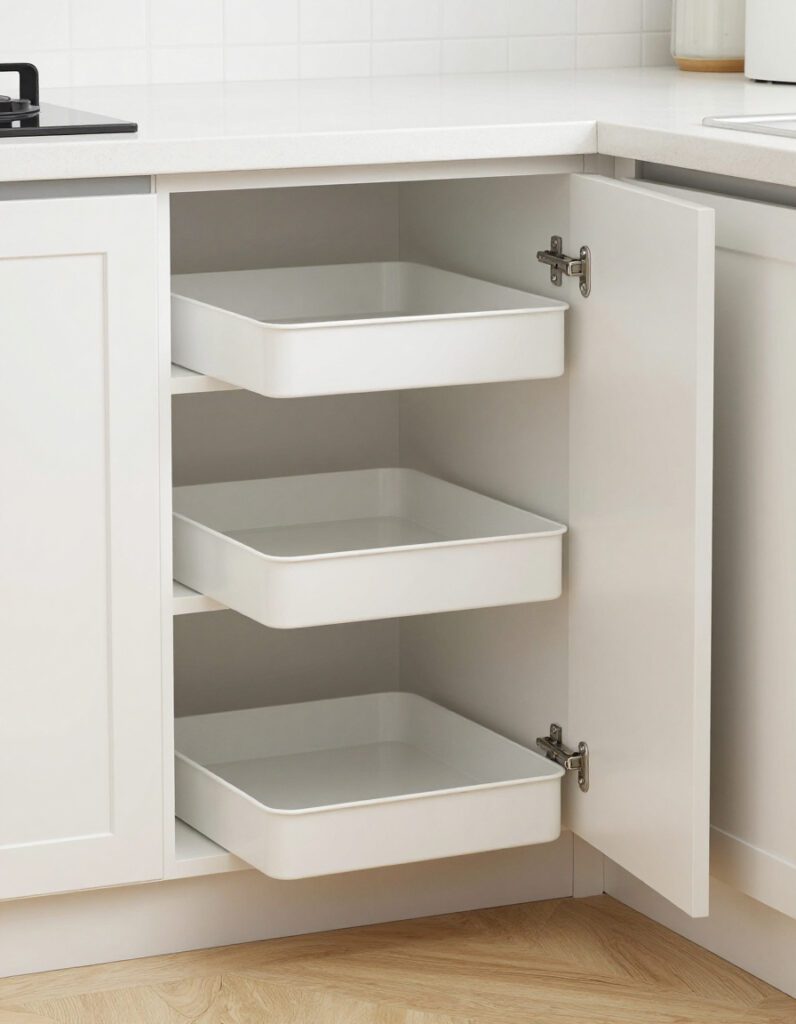
Most kitchen storage solutions overlook the natural depth of corner areas. Standard shelving sits too far back for comfortable reaching. Items placed in the rear section often require bending or stretching to retrieve.
The angle where two cabinet runs meet creates an L-shaped interior. This design leaves a deep pocket that’s hard to see into or access easily. You might notice that items gradually pile up in these spots and become forgotten over time.
1. Install a Turning Tray for Easier Corner Cabinet Access
A rotating platform brings items from the back to the front with a simple spin. Turning tray organizers fit into most corner base cabinets without permanent installation. You place the turntable on the existing shelf and arrange items on top.
Two-tier models provide extra vertical space while keeping everything reachable. The rotation makes it easier to see what you have stored. You might find this approach works well for canned goods, spices, or small appliances that usually hide in corners.
Some turntables come with raised edges to keep items from sliding off during rotation. Others include divided sections for separating different categories. The motion tends to feel smooth when the turntable sits on a clean, level surface.
2. Add Pull-Out Shelving to Bring Corner Storage Forward
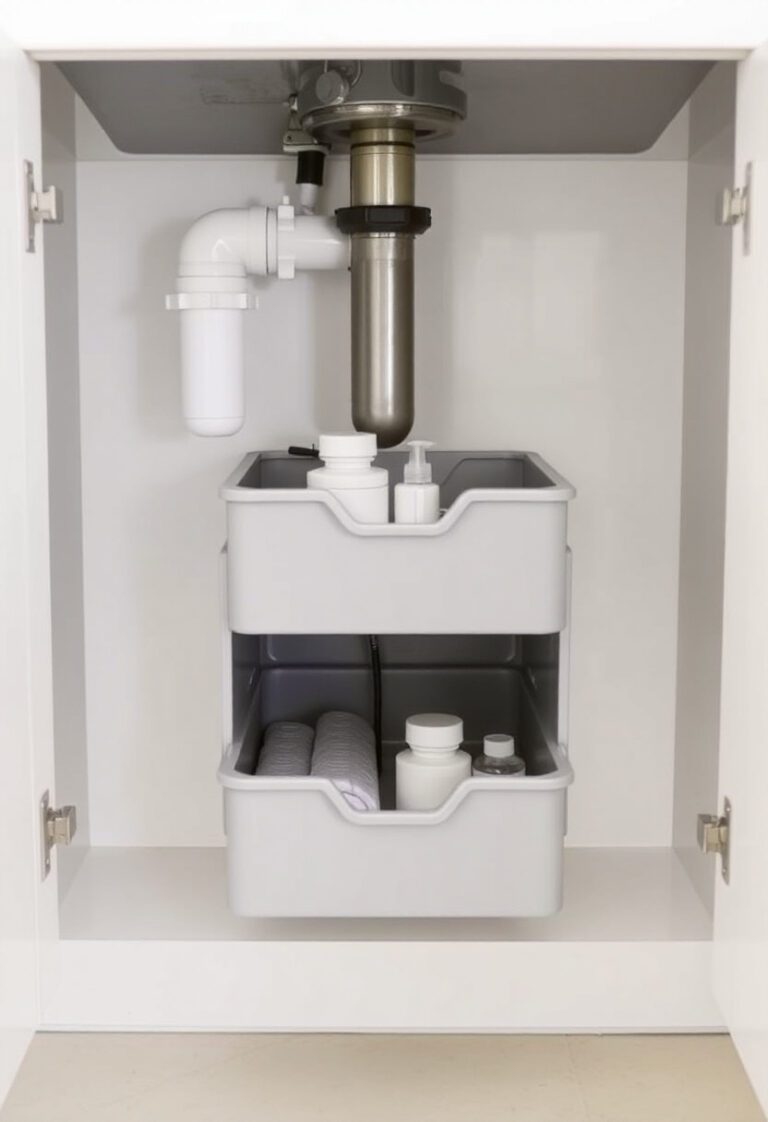
Pull-out organizers slide toward you on mounted tracks or glides. These systems attach to the cabinet frame and extend the shelf outward. You access items without reaching deep into the corner space.
Some models feature two shelves that pull out independently. Others use a single sliding platform with raised sides. The mechanism brings the entire storage area into view when you need it.
Installation usually requires basic tools and a bit of measuring. The pull-out motion tends to work smoothly when the tracks stay aligned and clean. You might notice this solution helps with heavier items like pots or small appliances that feel awkward to lift from deep shelves.
3. Use Stackable Bins to Create Zones in Hard-to-Reach Areas
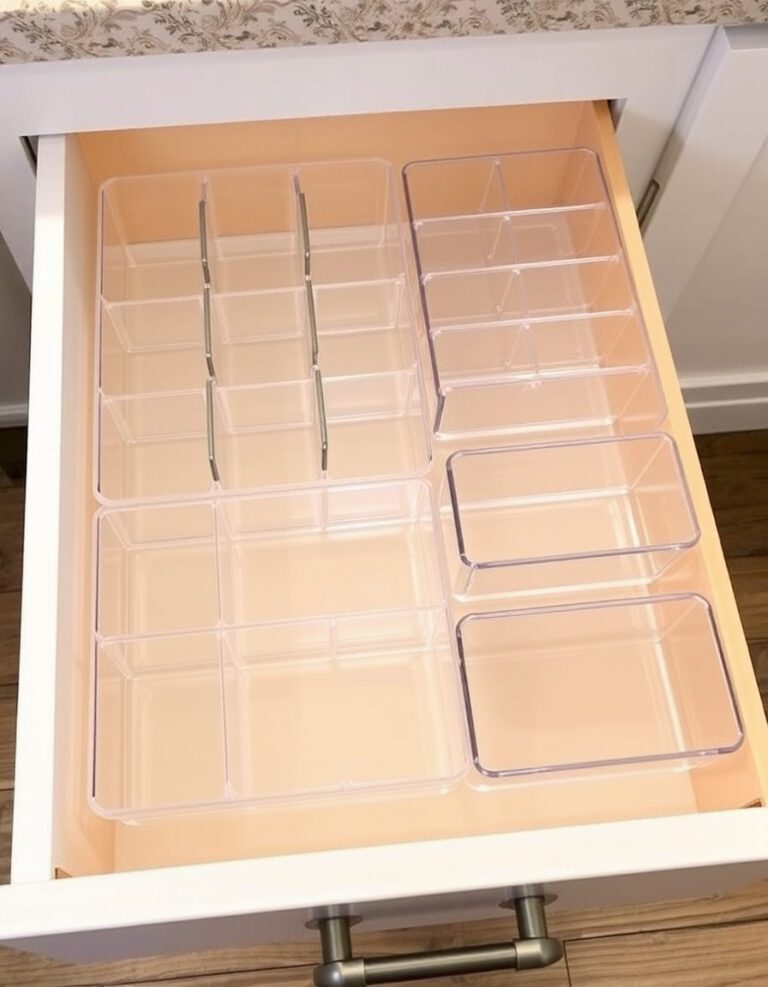
Clear bins with handles let you group similar items together and pull entire sections forward. Cabinet organization becomes simpler when you treat the corner as separate storage zones. Each bin holds one category and slides out when needed.
Stackable designs make use of vertical height while keeping items contained. You might place frequently used items in front bins and occasional-use items toward the back. The handles provide a grip point that makes retrieval easier.
Transparent sides help you identify contents without opening each container. Labeling adds another layer of clarity. This approach tends to work well when you want flexibility without permanent installation.
Read More: 8 Ways to Organize Cast Iron Pans by Size
4. Install Corner Drawers That Follow the Cabinet Shape
Diagonal drawers fit the angled space and pull straight out toward the room. These specialized units replace standard shelving with a cabinet accessibility upgrade. The drawer front sits at an angle that matches the corner’s natural shape.
Some designs feature a single deep drawer. Others include two or three smaller drawers stacked vertically. The mechanism brings items directly to you without sideways reaching.
This option usually requires professional installation or cabinet replacement. The investment tends to be higher than add-on organizers. You might notice the convenience increases significantly for items you access daily.
5. Add Swing-Out Shelving That Opens Like a Door
Hinged shelves attach to the cabinet door and swing outward when opened. The shelving unit moves with the door, bringing corner shelving contents into the open. Items stay organized on multiple tiers that fold back into the cabinet when closed.
These systems often include J-shaped shelves that curve to follow the corner’s interior. The design maximizes storage while maintaining accessibility. You simply open the door to reveal everything at once.
Installation involves mounting the shelf unit to the door’s interior. The weight capacity varies by model. This approach tends to work well for lighter items like spices, baking supplies, or small containers.
Also Read: 9 Coffee Station Organization Solutions That Can Help Reduce Clutter
6. Use Tension Rods to Create Adjustable Dividers in Corner Spaces
Spring-loaded rods fit between cabinet walls and create vertical sections. You position them to hold items upright or separate different categories. The hard-to-reach areas become more organized when items stay in designated spots.
Tension rods work well for storing flat items like cutting boards, baking sheets, or pot lids vertically. The pressure keeps them secure without drilling. You adjust the placement by simply moving the rod to a new position.
Multiple rods create narrow slots that prevent items from tipping or sliding to the back. This simple method tends to cost very little and installs in seconds. You might find it helps with items that usually stack poorly on flat shelves.
What to Avoid When Organizing Corner Cabinet Space
Overfilling corners makes retrieval difficult even with organizational tools. Items might jam against each other or become wedged in place. A bit of empty space helps things move freely.
Storing sharp or fragile items deep in corners increases the chance of accidents during retrieval. You might consider keeping these items in more accessible locations. The reaching motion can feel awkward when handling delicate objects.
Ignoring weight limits on rotating or sliding mechanisms leads to malfunction. Heavy items stress the moving parts over time. Check the specifications before loading organizers with cast iron or large appliances.
Frequently Asked Questions About Corner Cabinet Storage
How do you organize hard-to-reach corner cabinets without major renovation?
Add-on organizers like turning trays or pull-out shelves improve access without changing the cabinet structure. These solutions install with basic tools or simply rest on existing shelves. You might notice a difference in daily use without the cost of full remodeling.
What are the best solutions for corner cabinet storage in small kitchens?
Rotating platforms and stackable bins tend to work well in compact spaces. These options maximize the corner area without extending into the room. The contained design keeps items organized while maintaining a small footprint.
How can I make corner cabinets more accessible for everyday items?
Place frequently used items on front-facing organizers or near the cabinet opening. Store occasional-use items toward the back or on higher tiers. This arrangement follows natural reach patterns and reduces daily effort.
What should I put in hard-to-reach kitchen cabinets?
Occasional-use items like specialty appliances, seasonal dishes, or backup supplies fit well in deep corners. These items don’t require frequent access. You might reserve easier-to-reach spaces for daily cooking essentials and regularly used tools.
Making Corner Cabinet Space Work for Your Kitchen
Corner cabinet space becomes more functional with the right organizational approach. Simple additions like rotating platforms or pull-out shelves bring items within comfortable reach. You might start with one solution and adjust based on what works for your storage needs.
The goal stays focused on reducing daily frustration and making use of available space. Small changes tend to add up over time. Consider which items you access most often and choose solutions that match your kitchen routine.