7 Practical Fixes for Dish Soap Leaking Issues
This site contains affiliate links, view the disclosure for more information.
Dealing with sticky countertops and wasted product can be frustrating. Dish soap leaking creates messes that spread quickly and attract dirt.
Let’s look at some straightforward ways to address this common kitchen problem.
Understanding Why Dish Soap Leaking Happens
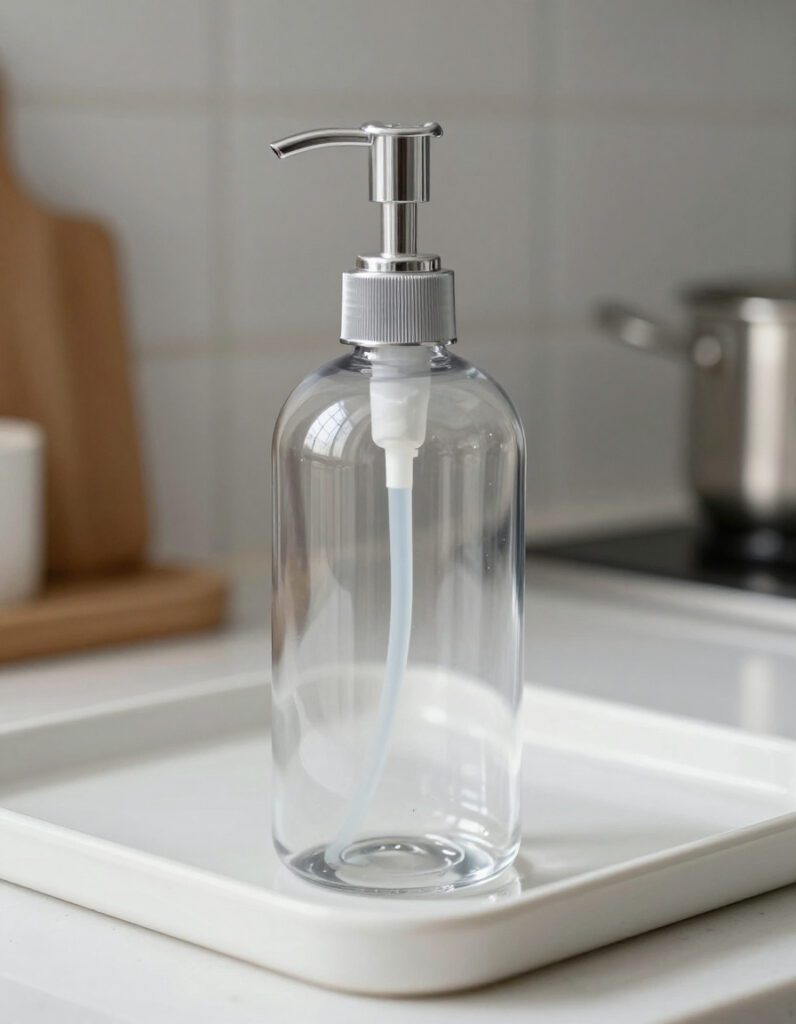
Several factors can cause your liquid soap dispenser to leak. Temperature changes make plastic expand and contract. This movement can loosen caps or crack bottles over time.
Overfilling creates pressure inside the container. When you squeeze an overfilled bottle, soap has nowhere to go except out through small gaps.
Cheap pump mechanisms often have loose seals. These seals wear down faster with regular use.
1. Check and Tighten Your Dish Soap Container Cap
Sometimes the simplest solution works best. Remove the cap completely and inspect the threading. Wipe away any dried soap residue with a damp cloth.
Clean threads create better seals. Residue prevents caps from closing properly.
Screw the cap back on firmly but don’t overtighten. Too much force can strip plastic threads and make leaking worse.
2. Replace a Faulty Pump to Stop Soap Dispenser Problems
Pumps wear out faster than bottles. The spring mechanism weakens and seals deteriorate. Pull out your current pump and check the bottom seal.
If you see cracks or dried soap buildup, it’s time for a new one. Many stores sell replacement pumps that fit standard bottles.
Look for pumps with silicone seals. These tend to last longer than basic rubber versions.
3. Avoid Overfilling Your Dish Soap Bottle
Leave at least an inch of space at the top. This air gap prevents pressure buildup when you pump. Overfilled containers force soap past seals even when the pump works fine.
Room for air means less stress on seals. The soap has space to move without creating pressure.
Pour excess soap into a backup container. Store it until you need a refill.
4. Store Soap Bottles Upright to Prevent Leaks
Laying bottles on their side invites trouble. Gravity pulls soap toward any weak point in the seal. This constant pressure finds its way through pump mechanisms and cap threads.
Keep your kitchen soap bottle standing on a flat surface. Use a small tray underneath to catch any drips.
A designated spot also makes countertops easier to clean. Soap doesn’t spread across surfaces when it’s contained.
5. Seal Cracks in Leaking Soap Pump Bottles
Small cracks happen from drops or wear. Waterproof tape can provide a temporary fix for minor damage. Clean and dry the area completely before applying.
Clear nail polish works for tiny cracks near the bottom. Apply thin layers and let each one dry fully.
These fixes might buy you time until you can get a replacement bottle. They won’t work for large cracks or splits.
6. Switch to Better Quality Dish Soap Containers
Budget bottles often use thinner plastic and cheaper pumps. Investing in a sturdy dispenser can save money long-term. Look for bottles with metal springs in the pump mechanism.
Glass dispensers with silicone gaskets rarely leak. They cost more upfront but last for years.
Some containers have locking pumps. These prevent accidental presses during storage or travel.
7. Clean Pump Mechanisms to Maintain Proper Function
Soap residue builds up inside pumps over time. This gunk prevents smooth operation and damages seals. Remove the pump once a month and rinse it under warm water.
Soak stubborn buildup in white vinegar for 10 minutes. Use an old toothbrush to scrub around the seal area.
Let everything air dry completely before reassembling. Moisture trapped inside can mix with soap and create more mess.
Additional Tips for Managing Soap Bottle Storage
Temperature matters more than you might think. Keep soap away from windows and heat sources. Extreme temperature swings can warp plastic containers.
Don’t squeeze bottles aggressively when pumping. Gentle, steady pressure works better and puts less stress on seals.
Buy soap in smaller bottles if you don’t use much. Less time in storage means less chance for seals to degrade.
FAQ About Dish Soap Leaking
Why does my dish soap keep leaking from the pump?
Worn pump seals are the most common culprit. The rubber or silicone gasket at the base of the pump deteriorates with use and exposure to soap.
Soap residue buildup can also prevent the pump from sealing properly. Regular cleaning can help extend pump life.
How do I stop my soap dispenser from leaking at the base?
Check if the pump is screwed in tightly and aligned correctly. Remove it, clean the threads, and reinstall it carefully.
If the leak continues, the pump itself might be damaged. Replacement pumps are inexpensive and widely available at home goods stores.
What causes dish soap bottles to leak during storage?
Temperature fluctuations cause plastic to expand and contract. This movement can loosen caps over time or create tiny gaps in seals.
Overfilled bottles also leak more easily. Pressure inside the container forces soap through any weak points when the bottle is moved or squeezed.
Can I fix a leaking dish soap pump without replacing it?
You can try cleaning it thoroughly first. Soak the pump in warm water and vinegar to remove buildup that might prevent proper sealing.
If cleaning doesn’t work, the internal seal has likely worn out. At that point, replacement becomes the most reliable solution.
Does storing dish soap upside down cause leaks?
Storing bottles upside down puts constant pressure on the pump seal. This position can accelerate wear and create leaks over time.
Keeping bottles upright works better for long-term storage. Gravity works with the seal instead of against it.
Are glass soap dispensers better at preventing leaks?
Glass dispensers with quality pump mechanisms tend to leak less often. The rigid container doesn’t warp or crack like plastic can.
However, the pump quality matters more than the bottle material. A cheap pump will leak regardless of whether it’s in glass or plastic.
Moving Forward with Leak-Free Dish Soap
Small adjustments can make kitchen cleanup less frustrating. Tightening caps, avoiding overfills, and choosing quality containers all help reduce messes.
Regular maintenance keeps pumps working smoothly. A quick monthly cleaning takes just a few minutes but can prevent bigger problems down the road.