This site contains affiliate links, view the disclosure for more information.
Junk drawers tend to attract clutter faster than you can clear them out. These nine fixes can help create a system that works with your habits instead of against them.
Why Junk Drawer Organization Feels Like a Losing Battle
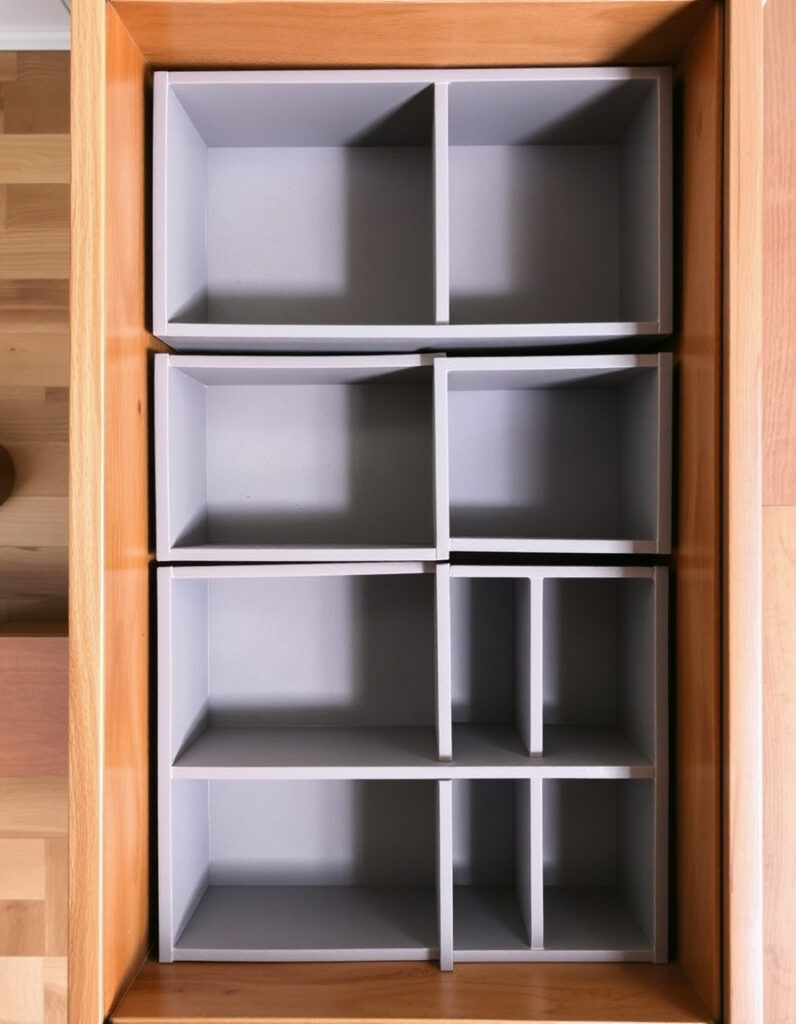
Most drawer organization attempts fail because they focus on clearing out items without addressing what happens next. Without boundaries or assigned spots, everything drifts back into chaos within weeks.
The key is building in structure that makes it easier to put things away correctly than to toss them randomly. That’s where these fixes come in.
1. Install Adjustable Dividers to Control Junk Drawer Clutter
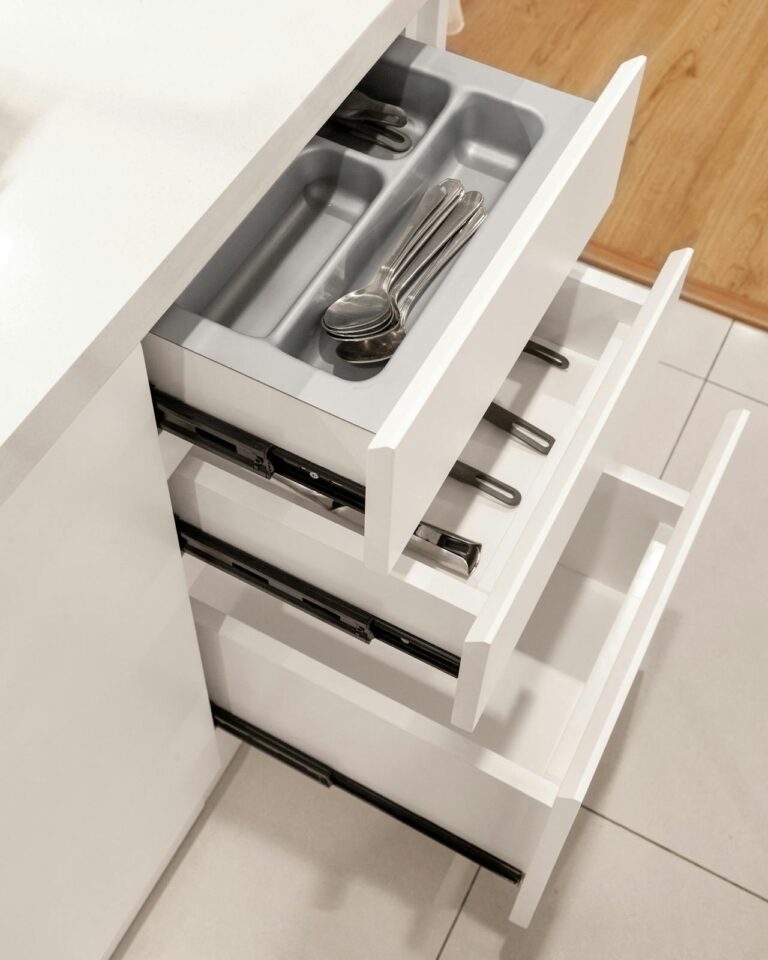
Drawer dividers create designated zones that prevent items from mixing together. When everything has a spot, you’re less likely to shove random objects wherever they fit.
Look for adjustable dividers that can shift as your needs change. Spring-loaded versions work well because they don’t require measuring or cutting.
Start with 4-6 sections based on what you actually store. Batteries, pens, tape, and small tools each get their own zone.
2. Label Each Section of Your Junk Drawer for Clarity
Labels work as visual reminders of what belongs where. Even simple categories like “writing supplies” or “hardware” can help maintain order.
You don’t need a fancy label maker. Masking tape and a marker work just fine for drawer organization.
Clear labeling helps other household members put things back correctly too. It removes the guesswork from the system.
3. Set a Maximum Quantity Rule for Drawer Storage
Decide how many of each item your junk drawer actually needs. Three pens? Four batteries? Two rolls of tape?
Once you hit that limit, the extras go somewhere else or get donated. This prevents accumulation before it starts.
Write these limits on a sticky note inside the drawer if it helps. Seeing “Max 3 pens” makes decisions easier when you’re tempted to add a fourth.
Also Read: 9 Ways to Organize Corner Cabinets and Make the Most of Hard to Reach Spaces
4. Place a Small Basket in Your Junk Drawer for Quick Sorting
A catch-all basket gives temporary items a landing spot. Things that don’t have a permanent home yet can sit there without disrupting the organized sections.
Empty this basket weekly. It becomes your regular checkpoint to declutter drawers before chaos takes over.
The basket should take up no more than one-third of the drawer space. Any larger and it defeats the purpose.
5. Relocate Items That Don’t Need Junk Drawer Space
Take an honest look at what’s actually in there. Manuals for appliances you no longer own? Mystery keys?
Move infrequently used items to storage elsewhere. The junk drawer should hold things you reach for at least once a month.
Kitchen drawer storage works best when it’s limited to truly useful everyday items. Everything else is just taking up valuable real estate.
Read More: 7 Smart Mixing Bowl Storage Solutions That Free Up Cabinet Space
6. Create a Drop Zone Elsewhere to Prevent Drawer Overflow
Many items end up in junk drawers because there’s nowhere else convenient to put them. A small tray or bowl near the entry can catch incoming clutter.
Mail, keys, receipts, and random pocket items can land there first. Then you can sort them properly instead of defaulting to the drawer.
This redirect strategy helps because it gives clutter a different path. Your drawer becomes less of a catch-all by default.
7. Schedule Monthly Junk Drawer Maintenance Sessions
Set a recurring reminder to spend five minutes reviewing what’s accumulated. Toss broken items, relocate things that migrated from other rooms, and reset the dividers.
Regular maintenance prevents the kind of buildup that requires a full overhaul. Small consistent effort beats occasional deep cleaning.
Think of it like brushing your teeth instead of waiting for a cavity. Quick tune-ups keep messy drawer solutions actually working long-term.
8. Use Drawer Liners to Define Boundaries for Organization
A textured liner creates friction that keeps items from sliding around. This subtle addition helps maintain the zones you’ve created with dividers.
Choose a liner that’s easy to remove and clean. When crumbs or dust accumulate, you can shake it out quickly.
Also Read: 9 Ways to Organize Spices Without Cabinet Space
9. Keep a Donation Bag Nearby for Drawer Decluttering
When you find yourself thinking “I should probably get rid of this,” having a donation bag within reach makes follow-through easier. Hesitation often leads to keeping things by default.
Place the bag in a nearby closet or pantry. Items can go straight from drawer to bag without extra steps.
Once the bag is full, schedule a donation drop-off. Removing these items from your home completes the cycle and frees up space for what you actually use.
What to Avoid When Organizing Junk Drawers
Don’t invest in elaborate drawer organization systems before you know what you’re storing. Expensive organizers often end up being the wrong size or configuration.
Start with simple, inexpensive dividers first. You can always upgrade once you understand your actual needs and habits.
Avoid treating the junk drawer like deep storage. If something hasn’t been touched in six months, it probably belongs somewhere else entirely—or nowhere at all.
FAQ: Junk Drawer Organization
How do I keep my junk drawer from getting messy again?
The key is maintenance and limits. Set maximum quantities for each category and do a quick five-minute review monthly.
Systems that require too much effort won’t stick. Keep your drawer organization ideas simple enough to maintain consistently.
What should I put in drawer dividers?
Group similar items together—batteries in one section, writing tools in another, hardware in a third. The categories should match what you actually use regularly.
Avoid creating too many tiny sections. Four to six zones typically work better than a dozen micro-compartments.
How often should I clean out my junk drawer?
A quick monthly check prevents major buildup. Remove broken items, relocate misplaced things, and assess whether your current system still makes sense.
If the drawer feels chaotic again within weeks, your organize junk drawer system might need adjustment. The structure should support your actual habits.
Should every home have a junk drawer?
Having one designated catch-all space can actually prevent clutter from spreading to other areas. The trick is keeping it controlled with drawer storage systems that prevent total chaos.
Without some kind of catch-all, miscellaneous items tend to colonize multiple drawers and surfaces. Better to contain them intentionally.
Do drawer dividers really help with organization?
Yes, when they’re used to group similar items rather than just creating random compartments. The structure reduces decision fatigue about where things belong.
Dividers also prevent the “avalanche effect” where everything tumbles together every time you open the drawer. They maintain visual order that makes maintenance easier.
Conclusion
Junk drawer organization doesn’t require perfection—just a system that matches how you actually use the space. These nine fixes can help create sustainable structure that reduces refilling cycles.