8 Solutions for Hand Soap Bottles That Tip Over
This site contains affiliate links, view the disclosure for more information.
Tipping soap bottles can create messes and waste product. Whether you’re dealing with tall dispensers or slippery surfaces, a few adjustments can help keep things upright.
Here’s how to tackle the problem.
Why Hand Soap Bottles Tip Over Easily
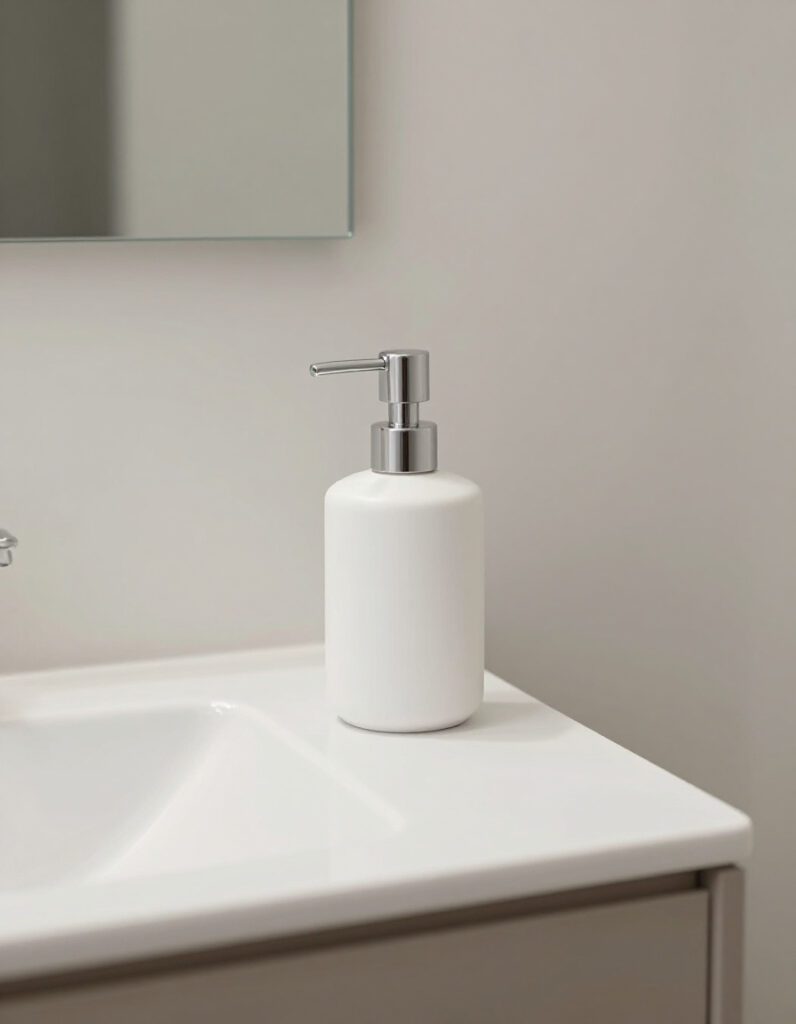
Hand soap bottles that tip over often share similar design issues. Tall, narrow dispensers with small bases tend to lose balance quickly, especially as the soap level drops.
Top-heavy bottles become more unstable when they’re half-empty. The weight shifts upward while the base stays light, making them prone to falling with minimal contact.
Smooth bathroom counters can make the situation worse. Wet surfaces reduce friction, so even stable bottles might slide or topple over.
1. Add Weight to the Base of Soap Dispensers
Increasing the base weight creates better balance. You can place small adhesive weights inside the bottom of refillable dispensers, which helps anchor them down.
Fishing weights or craft magnets work well for this purpose. Just make sure they’re waterproof and won’t corrode from moisture exposure.
The added mass lowers the center of gravity. This simple change can make a noticeable difference with lightweight plastic bottles.
2. Use Non-Slip Pads Under Hand Soap Bottles
Non-slip pads create friction between the bottle and counter. These small rubber or silicone circles grip both surfaces, reducing sliding and tipping.
You can find them in kitchen or bathroom supply sections. They’re affordable and easy to replace when they wear out.
Place the pad directly under the bottle base. The extra grip can help prevent soap dispensers from moving when you press the pump.
3. Switch to Wider-Base Soap Bottle Designs
Bottles with broader bases offer natural stability. Look for dispensers where the bottom diameter is at least half the height of the bottle.
Short, squat designs tend to stay upright better than tall, slim ones. The wider footprint distributes weight more evenly across the counter.
This might mean choosing a different style than you originally wanted. But stable soap storage can reduce daily frustration and cleanup.
4. Mount Wall Dispensers to Prevent Soap Spills
Wall-mounted options eliminate tipping entirely. These dispensers attach directly to bathroom walls, keeping soap accessible without taking up counter space.
Installation typically requires drilling or strong adhesive strips. Choose a height that works comfortably for everyone using the sink.
Fixed mounting removes the balance issue completely. This solution works especially well in busy bathrooms where bottles get bumped frequently.
5. Keep Soap Bottles Fuller for Better Balance
A fuller bottle naturally sits more stable. The liquid weight near the bottom creates a lower center of gravity, which helps prevent tipping.
Refilling before the bottle gets too empty can help maintain stability. Even halfway full tends to balance better than nearly empty.
Just keep in mind that overfilling can make pumping difficult. Finding the sweet spot between stability and function might take some testing.
6. Use Soap Pump Organizers for Liquid Soap Storage
Organizers designed for soap dispensers often include raised edges or slots. These features can help hold bottles in place and prevent them from falling over.
Look for bathroom counter organizers with individual compartments. The sides provide physical barriers that catch tipping bottles before they fall completely.
Contained storage also protects your counter from soap drips. Many organizers have drainage holes or elevated bases to prevent water buildup.
7. Place Hand Soap Bottles Against the Backsplash
Positioning bottles against the wall provides extra support. The backsplash acts as a backstop, which can prevent backward tipping motion.
This works best for bottles that tend to tip in one direction. Place the most unstable side closest to the wall for maximum support.
Corner placement offers even more stability. The two walls create a natural pocket that limits movement in multiple directions.
8. Choose Heavy-Base Soap Dispensers Made from Glass or Ceramic
Material choice affects stability significantly. Glass and ceramic dispensers weigh more than plastic, which naturally improves balance and reduces tipping.
These materials also resist sliding on wet counters. The smooth but heavier construction tends to stay put better during normal use.
Keep in mind that glass can break if dropped. Durability and stability both matter, so choose based on your household needs.
What to Watch Out For
Avoid placing soap bottles near sink edges where they’re more likely to get knocked. High-traffic areas increase the chance of accidental bumps.
Check pump mechanisms regularly. Stiff or sticky pumps can require extra force, which increases tipping risk when you’re trying to dispense soap.
Be cautious with overly decorative bottles that sacrifice function for appearance. Narrow necks and elaborate shapes might look nice but often tip more easily than simple designs.
Frequently Asked Questions About Soap Dispenser Stability
Why do my soap bottles keep falling over?
Soap bottles fall over when they’re top-heavy or have small bases. As soap empties from the bottom, the weight shifts upward, making the dispenser unstable.
Smooth counters and tall, narrow designs make this problem worse. The combination of light bases and slippery surfaces creates poor grip and balance.
How can I keep soap dispensers from tipping on wet counters?
Non-slip pads under the bottle base can help create friction. These rubber or silicone pieces grip wet surfaces better than plastic or glass alone.
Keeping the counter dry around the soap area also helps. Wiping up water regularly can prevent the sliding that often leads to tipping.
What makes a soap bottle more stable?
A wider base and heavier construction create better stability. Bottles where the bottom diameter is at least half the height tend to stay upright more reliably.
Lower centers of gravity help too. Keeping bottles relatively full and choosing heavier materials like glass can improve balance significantly.
How do I fix top-heavy soap dispensers?
Adding weight to the base can rebalance top-heavy bottles. Small adhesive weights or fishing sinkers placed inside the bottom can lower the center of gravity.
Switching to a different dispenser design might be necessary for some bottles. Short, wide bottles naturally resist tipping better than tall, narrow ones.
Are wall-mounted soap dispensers worth it?
Wall-mounted dispensers eliminate tipping problems entirely. They free up counter space and work well in bathrooms where bottles get bumped frequently.
Installation requires drilling or strong adhesive. The trade-off is permanent placement, but the stability benefit can be worth it in busy households.
Do soap pump organizers really help prevent tipping?
Organizers with raised edges or compartments can catch tipping bottles. They provide physical barriers that limit how far a dispenser can fall.
These organizers also contain spills and drips. The combination of stability support and mess prevention makes them useful for bathroom counter organization.
Final Thoughts
Finding the right solution for hand soap bottles that tip over might take some experimentation. Different bathrooms and bottle styles respond better to different approaches.
Start with simple fixes like non-slip pads or repositioning bottles. If those don’t work, consider switching to more stable designs or wall-mounted options.
Small adjustments can make your bathroom routine smoother and reduce cleanup time.