How to Organize Pots and Pans So You Can Find What You Need
This site contains affiliate links, view the disclosure for more information.
Cookware that doesn’t stack well can turn kitchen cabinets into a frustrating mess. Different handle designs, varying sizes, and awkward shapes can make it tough to keep things organized. These pots and pans storage solutions can help you maximize space and find what you need faster.
Why Cookware Storage Gets Complicated
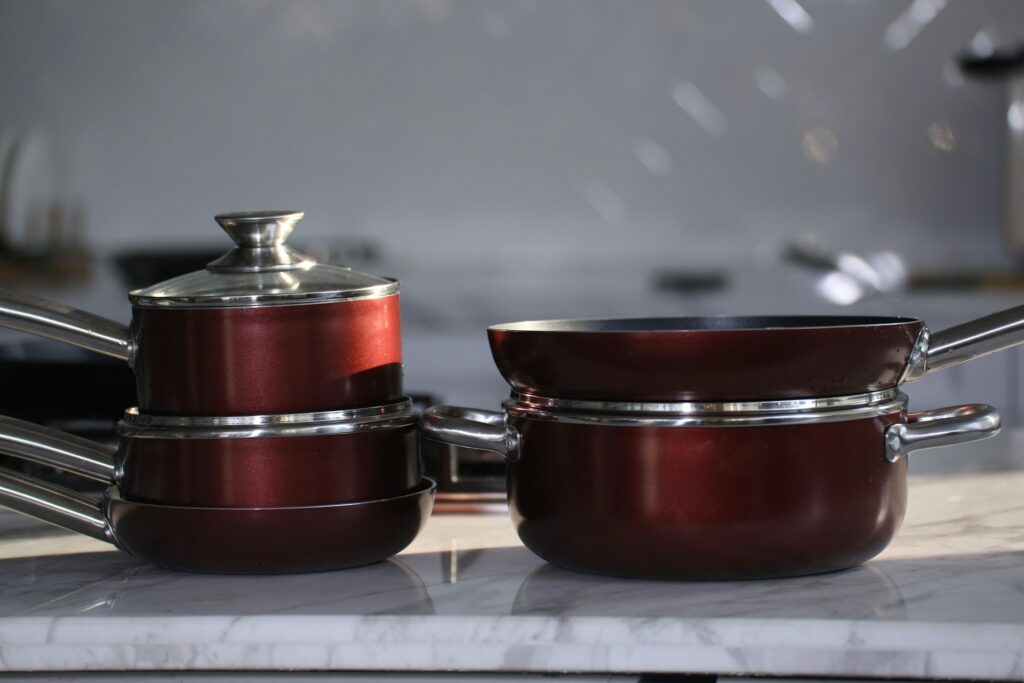
Most kitchens come with cabinets designed for stacking. But modern cookware often features handles, lids, and shapes that don’t play nicely together.
When pots and pans don’t nest properly, you might end up wasting cabinet space. You may also spend extra time digging through piles to find the right piece.
1. Install Vertical Dividers to Separate Pots and Pans by Size
Vertical dividers can turn a single cabinet into organized slots. Each piece of cookware gets its own designated space, standing upright like files in a cabinet.
This cookware organization method works well for frying pans and cookie sheets. You can slide pieces in and out without unstacking anything.
Look for adjustable dividers that fit your cabinet dimensions. Many tension-based options require no drilling or permanent installation.
2. Use Pull-Out Cabinet Organizers for Easy Access to Cookware
Pull-out organizers bring your pots and pans to you. These sliding racks mount inside lower cabinets and extend fully when you open the door.
Deep cabinets can become black holes for cookware. A pull-out system helps you see everything at once without crawling inside.
Some models include adjustable pegs or rails. You can customize the layout based on your specific collection.
3. Add a Pot Rack Above Your Stove or Kitchen Island
Hanging pot racks free up valuable cabinet storage. Ceiling-mounted or wall-mounted pot rack options can hold multiple pieces while keeping them within easy reach.
This approach works especially well for frequently used items. You might hang your everyday pans and store specialty pieces in cabinets.
Choose a rack style that matches your kitchen’s weight capacity. Heavy cast iron requires sturdier mounting than lightweight aluminum.
Also Read: 9 Small Kitchen Organization Zones To Maximize Your Space
4. Try Stackable Pan Organizers with Protective Layers
Stackable organizers include cushioned separators between each piece. These rack systems let you stack pots and pans vertically without scratching the surfaces.
The protective layers can help prevent damage to nonstick coatings. Each tier typically holds one or two items, depending on size.
These organizers work inside cabinets or on countertops. Look for options with enough tiers to match your cookware collection.
5. Mount a Wall-Mounted Rail System for Hanging Pots and Pans
Rail systems attach to your kitchen wall with hooks that hold individual pieces. You can arrange cookware by size or frequency of use.
This kitchen cabinet storage alternative keeps counters and cabinets clear. The open display can also add a professional kitchen aesthetic.
Make sure to mount rails into wall studs for proper support. Spacing hooks about 4-6 inches apart tends to work for most cookware sizes.
Read More: How To Stop Your Small Bathroom From Feeling Cluttered
6. Store Lids Separately Using a Lid Organizer Rack
Lids often create the biggest storage headache. A dedicated lid rack can keep them upright and organized in their own space.
Over-the-door organizers work well for this purpose. You can also find drawer inserts or cabinet-mounted options.
Grouping lids separately from pots can make both easier to access. You might match lids to pots using color-coded stickers if needed.
7. Utilize Corner Cabinets with a Turning Tray
Corner cabinets can be tricky to organize. A Turning Tray turntable brings items from the back to the front with a simple spin.
This pan storage idea works best for smaller pots and saucepans. Heavier items might not rotate as smoothly.
Consider a two-tier turntable to maximize vertical space. The rotating design helps you use every inch of that awkward corner.
8. Install Pegboard Panels Inside Cabinet Doors for Custom Storage
Pegboard systems let you create a fully customized layout. You can add hooks, shelves, and holders exactly where you need them.
This organize kitchen cabinets approach adapts as your cookware collection changes. Simply move the pegs to accommodate new pieces.
Line the pegboard with felt or cork to protect cabinet doors. Some people prefer to mount pegboard on walls instead of inside cabinets.
Common Storage Mistakes to Avoid
Overstacking pots and pans can lead to scratches and dents. Nonstick surfaces are particularly vulnerable to damage from metal-on-metal contact.
Storing heavy cast iron on top of lighter cookware might cause warping. Try to keep heavier pieces on lower shelves or in more accessible spots.
Don’t forget to measure your cabinet dimensions before buying organizers. A system that doesn’t fit properly won’t improve your storage situation.
Frequently Asked Questions
How do you store pots and pans in a small kitchen?
Vertical storage tends to work best in compact spaces. Wall-mounted racks or over-the-door organizers can free up limited cabinet room.
You might also consider storing only your most-used pieces in the kitchen.
What is the best way to organize pots and pans in cabinets?
The most effective method depends on your cabinet layout and cookware collection. Vertical dividers work well for uniform pieces, while pull-out organizers suit deep cabinets.
Many people find that combining multiple storage solutions yields better results. You might use dividers for some items and stackable racks for others.
How do you keep pots and pans from scratching when stacked?
Protective pan separators create a cushioned barrier between stacked pieces. Felt or silicone dividers can help preserve nonstick coatings and polished surfaces.
Some cooks prefer hanging frequently used items to avoid stacking altogether. This approach can extend the life of your cookware finishes.
Should pots and pans be stored stacked or hanging?
Both methods have advantages depending on your kitchen setup. Hanging saves cabinet space and provides quick access, but requires wall or ceiling mounting.
Stacking works well with proper organizers and protective layers. The right choice often depends on available space and how often you use specific pieces.
How can you organize lids for pots and pans?
Dedicated lid organizers keep these awkward items under control. Vertical racks, drawer inserts, or over-the-door holders can all work effectively.
Storing lids separately from their matching pots might seem counterintuitive. However, this cookware storage approach often creates a more functional system overall.
What are the most space-efficient pot and pan organizers?
Pull-out cabinet organizers and vertical dividers tend to maximize available space. These systems help you use the full depth and height of your cabinets.
Adjustable options offer the most flexibility as your needs change. Look for organizers that can adapt to different cookware sizes and shapes.
Make Your Kitchen Work Better
Finding the right pots and pans storage solutions can reduce daily kitchen frustration. Whether you choose vertical dividers, hanging racks, or pull-out systems, the goal is creating a setup that fits your space and cooking habits.
Start with one or two organizational tools that address your biggest pain points. You can always add more solutions as you figure out what works best for your cookware collection.