8 Ways to Handle Junk Drawers That Keep Refilling
This site contains affiliate links, view the disclosure for more information.
A junk drawer tends to accumulate things faster than most people expect. You might clear it out one weekend, then notice it’s crowded again within days. The drawer itself isn’t the problem—it’s usually about what goes into it and how often items get reviewed.
These 8 approaches focus on junk drawer organization that fits into normal routines. Nothing here requires a complete system overhaul or special skills.
Why Junk Drawers Fill Up So Quickly
Most households end up with at least one drawer that collects random objects. It often starts as a convenient spot for things that don’t have another home. Over time, that convenience turns into drawer clutter that makes finding anything difficult.
The refilling happens because the drawer serves a real purpose—it holds small, frequently used items. The goal isn’t to eliminate that function, just to manage it better.
1. Give the Junk Drawer Organization a Defined Purpose Instead of Letting It Hold Everything
When a drawer accepts anything, it tends to overflow. You might find expired coupons next to batteries next to spare keys. A slight shift in thinking helps: decide what types of items the drawer actually needs to hold.
Common categories include writing tools, tape, scissors, and batteries. Once you identify a few main groups, other random objects become easier to redirect elsewhere. Defining the drawer’s role gives you a simple filter for what belongs.
This doesn’t mean rigid rules. It just means the drawer has some boundaries that make sense for your household.
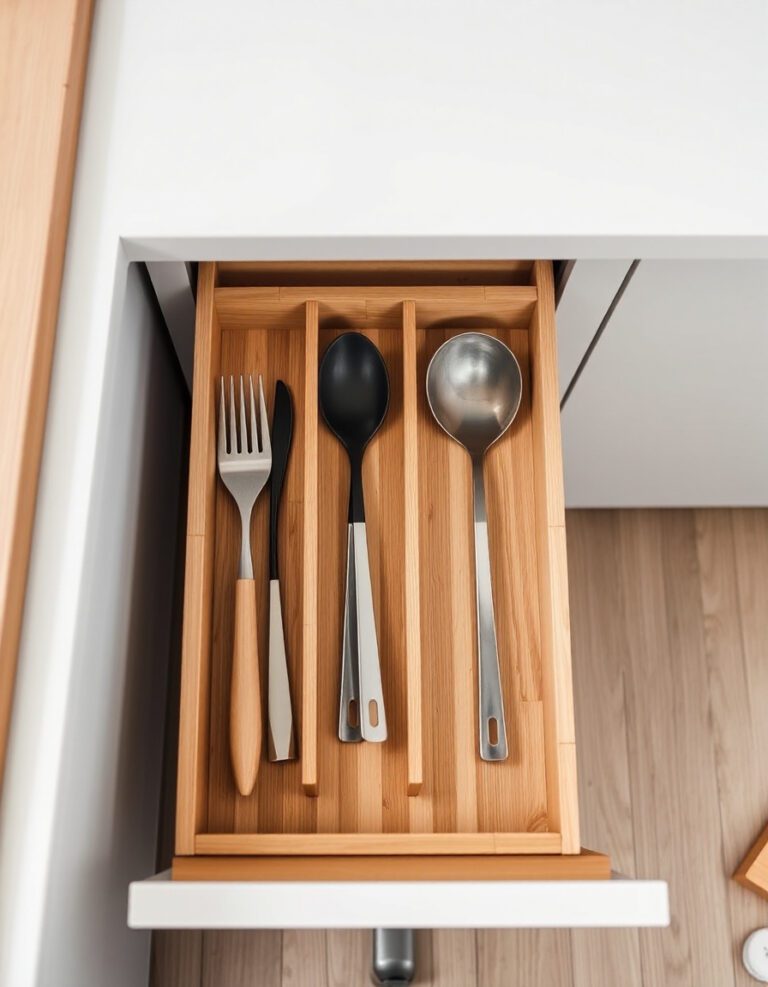
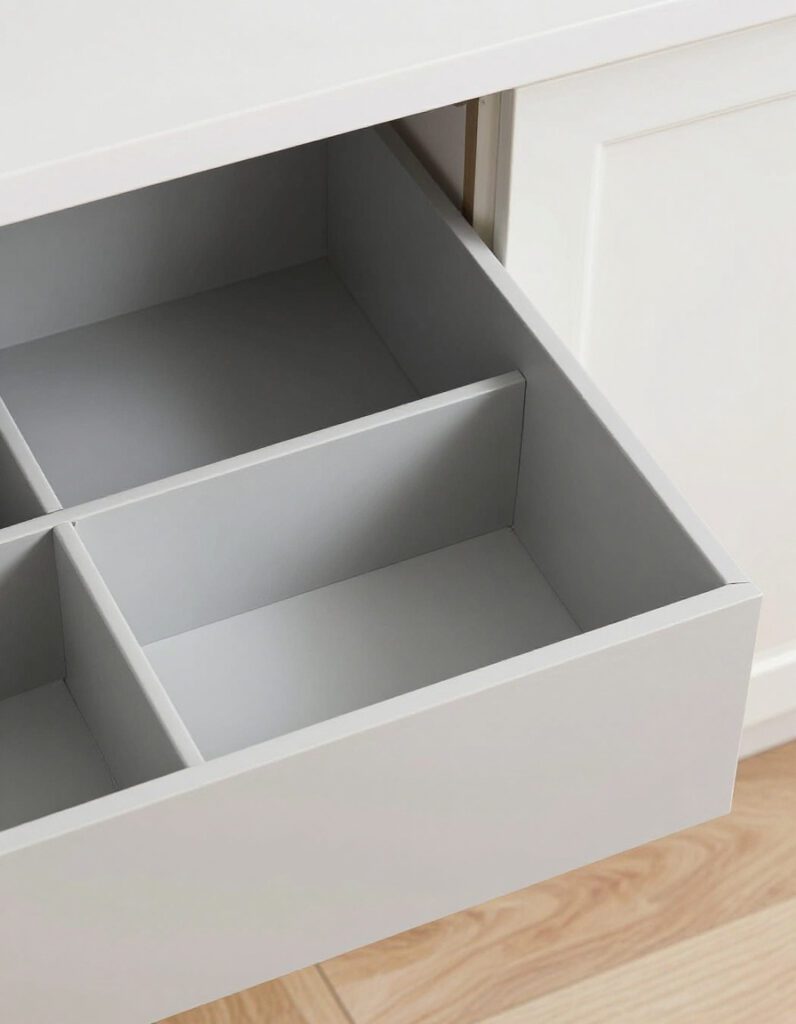
2. Use Drawer Dividers to Create Zones for Miscellaneous Items Without Overcomplicating the System
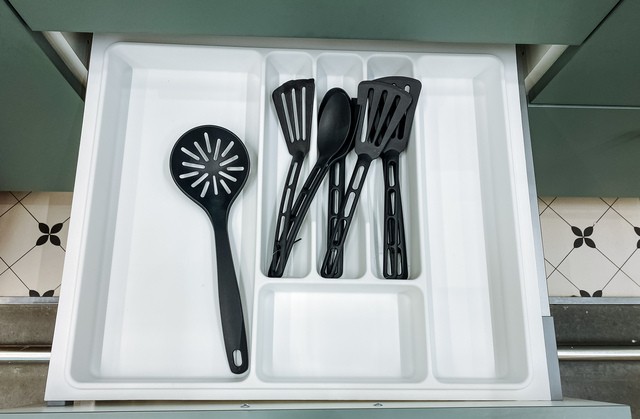
Dividers help keep similar things together. A small tray for batteries, another for pens, and a third for spare keys can reduce the visual chaos. You don’t need expensive drawer dividers—even small boxes or repurposed containers work fine.
The zones make it easier to spot when one section gets too full. If the pen area overflows, that’s a signal to remove duplicates or donate extras. Simple separations also make closing the drawer smoother.
You can adjust the layout as your needs change.
3. Keep a Small Basket on the Counter for Daily Junk Drawer Organization and Empty It Regularly
A countertop basket catches the small stuff that would normally go straight into the drawer. Receipts, loose change, rubber bands—they land in the basket first. Once a week or so, you sort through it and put things where they actually belong.
This pause gives you a chance to toss what’s unnecessary before it reaches the drawer. A simple buffer zone reduces the automatic refilling that happens when you’re in a hurry. The basket itself stays visible, which reminds you to deal with it.
If the basket overflows, it’s usually a sign that too many items are entering your space in general.
Read More: 8 Ways to Organize Cast Iron Pans by Size
4. Set a Monthly Check to Review Drawer Clutter and Remove Items That No Longer Serve a Purpose
A quick monthly look-through keeps things manageable. You might find old receipts, dried-up pens, or expired coupons that can go straight into the trash. Five minutes of attention prevents the drawer from becoming completely packed.
This habit also helps you notice patterns. If certain items keep piling up, you might need a better home for them elsewhere. Regular small clears feel easier than one big reorganization every few months.
Pick a day that’s already part of your routine, like the first Sunday of the month. Consistency matters more than timing.
5. Limit the Number of Duplicates for Common Household Organization Items Like Pens and Scissors
Most people don’t need eight pens in one drawer. Two or three working pens usually handle daily tasks without creating clutter. The same goes for scissors, tape dispensers, and similar tools.
When duplicates accumulate, the drawer fills faster and useful items get buried. You can keep extras in a storage bin elsewhere and rotate them in as needed. Reducing duplicates opens up space for things you actually reach for often.
This approach also makes it easier to notice when something runs out and needs replacing.
Also Read: 7 Smart Ways to Tackle Kitchen Drawer Organization
6. Create a Drop Zone Elsewhere for Papers and Receipts That Often Contribute to Drawer Clutter
Papers tend to migrate into junk drawers because there’s no better spot nearby. A small tray or folder near the door or on a desk can intercept mail, receipts, and notes before they reach the drawer.
Once a week, you go through the tray and file, scan, or toss what’s there. This separation keeps the drawer focused on storage solutions for tools and small objects instead of becoming a paper archive. Papers take up a lot of space relative to their usefulness.
A dedicated spot also makes it easier to find important documents later.
Read More: 7 Smart Solutions for Small Kitchen Prep Space
7. Label Sections Inside the Drawer So Household Organization Becomes More Intuitive
Small labels on dividers or zones help everyone in the household understand where things go. A label that says “batteries” or “tape” removes guesswork. This consistency reduces the chance of random items ending up in the wrong section.
Labels also remind you of the drawer’s intended categories. When something doesn’t fit any label, it’s easier to realize it belongs elsewhere. Clear categories make maintaining organization simpler over time.
You can use a label maker, masking tape, or even handwritten tags. The goal is clarity, not perfection.
8. Accept That Some Refilling Will Happen and Focus on Managing Junk Drawer Organization Rather Than Eliminating It
A completely empty junk drawer isn’t realistic for most households. The drawer serves a purpose by holding miscellaneous items that you use regularly but don’t need on display. Some level of accumulation is normal and even helpful.
The aim is to keep refilling manageable rather than chaotic. When you check in regularly and maintain loose boundaries, the drawer stays functional instead of becoming a source of frustration. Managing the flow matters more than achieving a perfect state.
What to Avoid When Handling Drawer Clutter
Avoid buying complex organizers before clearing out the drawer. You might not need as many compartments as you think once unnecessary items are removed.
Don’t aim for a system that requires daily maintenance. If the method feels too demanding, it won’t last. Simple approaches tend to hold up better over time.
Skip the urge to relocate everything immediately. Sometimes items just need a designated spot, even if that spot is still the junk drawer.
Frequently Asked Questions About Junk Drawer Organization
How do you keep a junk drawer from getting messy again after organizing it?
Regular check-ins help catch clutter before it builds up. A quick monthly review removes items that have expired or lost usefulness. Using dividers and limiting duplicates also keeps things from piling up too fast.
What should you put in a junk drawer organizer to make it work better?
Focus on items you reach for often but don’t need on display—batteries, tape, scissors, pens, and spare keys tend to fit this category. Avoid using it for papers or things that belong in other rooms. Grouping similar items makes the organizer more effective.
How often should you clean out your junk drawer to maintain control?
Once a month tends to work well for most households. A quick five-minute check keeps things manageable without feeling like a major task. If you notice the drawer getting stuck or hard to close, that’s a sign it’s time for a clear-out.
Why does my junk drawer keep filling up even after I organize it?
It might be serving as a catch-all because other items in your home don’t have clear spots. Adding drop zones for papers, mail, and tools in other areas can reduce the flow into the drawer. Redirecting items at the source helps more than repeatedly clearing the drawer.
Conclusion
Junk drawer organization doesn’t require perfection or complex systems. Small, steady habits like monthly check-ins and using dividers tend to keep drawer clutter manageable over time. A drawer that holds useful items without overflowing serves its purpose well.
These eight approaches offer simple starting points. You might try one or two and see what fits your routine. The goal is a drawer that works for you without constant frustration.