9 Simple Ways to Organize Pantry Items That Usually Get Lost
This site contains affiliate links, view the disclosure for more information.
A pantry that works well can help save time and cut down on waste. When items get pushed to the back, food expires before you use it. These fixes can make it easier to see what you have and grab what you need.
Why Pantry Items End Up Hidden
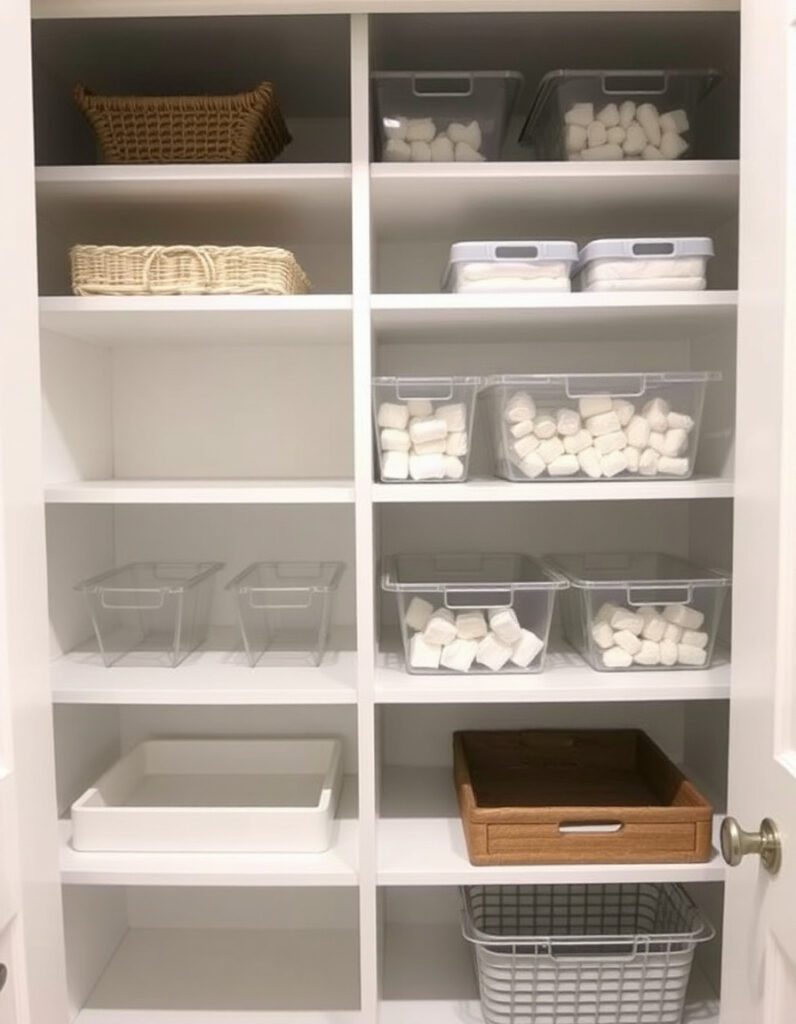
Deep shelves tend to create blind spots. Items in front block your view of what’s behind them. Without a system, groceries pile up in ways that hide smaller packages.
Pantry organization gets harder when shelves are too far apart or too close together. The layout might not match what you’re storing.
1. Install Pull-Out Drawers for Deep Pantry Shelves
Pull-out drawers bring the back of your pantry cabinet storage forward. You can see everything at once without reaching or digging.
Measure your shelf depth before buying drawer units. Some models attach to existing shelves while others replace them entirely.
These work especially well for canned goods and boxed items that tend to stack up.
2. Use Clear Bins to Group Pantry Items by Category
Clear containers let you spot what’s inside from any angle. Group similar items together so you know where to look.
Label each bin on the front and top. You can pull out the whole container instead of moving items one by one.
Read More: 6 Smart Ways to Organize Kitchen Wrap and Foil
3. Add Turning tray to Corner Pantry Spaces
Corners create dead zones where items disappear. A Turning Tray spins to bring everything into view.
Choose tiered versions for smaller bottles and jars. Single-level turntables work better for bulkier packages.
Keep heavier items toward the outside edge so the turntable stays balanced when you spin it.
4. Stack Food Cans With Tiered Shelf Organizers
Tiered organizers create steps that let you see each row of food cans. You won’t have to move front items to check what’s behind them.
These shelves often come in expandable sizes. Adjust them to fit your pantry shelving width.
This approach helps you rotate stock and use older food cans first.
Also Read: 6 Ways to Organize Spices When You Cook Often
5. Mount Door Racks for Extra Pantry Visibility
The back of your pantry door offers unused space. Over-the-door racks add storage without taking up shelf room.
Store lighter items like spice packets, seasoning mixes, or snack bars. Avoid heavy food cans that might strain the hinges over time.
Check that the rack won’t interfere with items on the nearest shelf when the door closes.
6. Place Risers Under Shorter Pantry Items
Shelf risers lift smaller jars and boxes so they don’t get lost behind taller bottles. You create a second level without installing new shelving.
Choose stackable risers if you need different heights. Metal or bamboo versions tend to hold up better than plastic.
This food storage solution works well for spices, bouillon cubes, and small condiment jars.
7. Store Bulk Items in Large Clear Containers
Big bags of rice, flour, or pasta can tip over and spill. Transferring them to clear containers keeps them visible and contained.
Square containers use space more efficiently than round ones. Make sure lids seal tightly to keep food fresh.
Label containers with expiration dates from the original packaging.
Also See: 9 Smart Storage Solutions for Countertop Appliances You Rarely Use
8. Use Basket Systems for Snacks and Small Packages
Wire or woven baskets corral loose items that tend to scatter. Pull out the basket to see what’s inside instead of searching shelf by shelf.
Baskets with handles make it easier to bring items to the counter. This setup can help with pantry organization for kids’ snacks or lunch supplies.
Choose baskets that fit your shelf height with a bit of clearance.
9. Add Battery-Operated Lighting to Dark Pantry Corners
Dim lighting makes it hard to spot items in an organized pantry space. Stick-on LED lights brighten back corners without wiring.
Motion-sensor options turn on when you open the door. Puck lights attach to the underside of shelves to point light downward.
Replace batteries twice a year so you’re not left fumbling in the dark.
Quick Tips to Keep Your Pantry Organized
Check expiration dates when you unpack groceries. Move older items forward so you use them first.
Avoid buying duplicates by keeping a running list of what you have. A quick pantry check before shopping can help prevent overbuying.
Wipe down shelves and containers every few months. Crumbs and spills attract pests.
Frequently Asked Questions About Pantry Organization
How do I organize a deep pantry so things don’t get lost?
Use pull-out drawers or bins that bring items to you. Group similar products together so you know where everything belongs.
Avoid stacking items more than two deep. It gets harder to see and reach what’s in back.
What is the best way to see items in the back of a pantry?
Clear containers and tiered organizers improve visibility. Turning trays work well for corner spaces where items tend to hide.
Adding lighting to dark spots can also help you spot what you need faster.
How do I keep pantry shelves organized long term?
Return items to their designated spots after each use. Label bins and containers so everyone in your household knows the system.
Do a quick tidy-up every couple of weeks. Small maintenance beats a massive cleanout later.
What containers help organize pantry items better?
Clear, square containers maximize space and let you see what’s inside. Stackable designs make the most of vertical room.
Choose airtight containers for items like cereal, flour, or sugar. They keep food fresh and prevent spills.
Should I organize my pantry by food type or meal?
Both methods can work depending on your cooking habits. Grouping by type keeps all your baking supplies together.
Meal-based zones might make sense if you prep certain recipes often. Try one approach for a few weeks and adjust if needed.
How often should I reorganize my pantry?
A full reorganization once or twice a year can help. Adjust your system when you notice items getting lost again.
Weekly spot checks keep things tidy between deeper cleanups.
What should I do with odd-sized pantry items?
Store awkwardly shaped packages in bins or baskets. They won’t tip over or slide around as easily.
Keep tall bottles on lower shelves where they fit without blocking your view of other items.
Can pantry organizers work in small spaces?
Yes, many solutions scale down for compact kitchens. Door racks and shelf risers add storage without taking up floor space.
Focus on vertical storage and stackable options to make the most of limited room.
Time to Tackle Your Pantry Space
Small changes to your pantry cabinet storage can make daily meal prep smoother. You’ll spend less time hunting for ingredients and more time cooking.
Start with one or two fixes that match your biggest challenges. You can always add more solutions as you see what works best.