6 Solutions for Water Bottles That Won’t Stay Upright
This site contains affiliate links, view the disclosure for more information.
A water bottle that keeps tipping over can turn into a daily frustration. Whether it’s rolling off your desk or falling in your bag, an unstable bottle creates unnecessary hassle. These solutions can help you tackle the problem and keep your bottle where it belongs.
Why Water Bottles Won’t Stay Upright
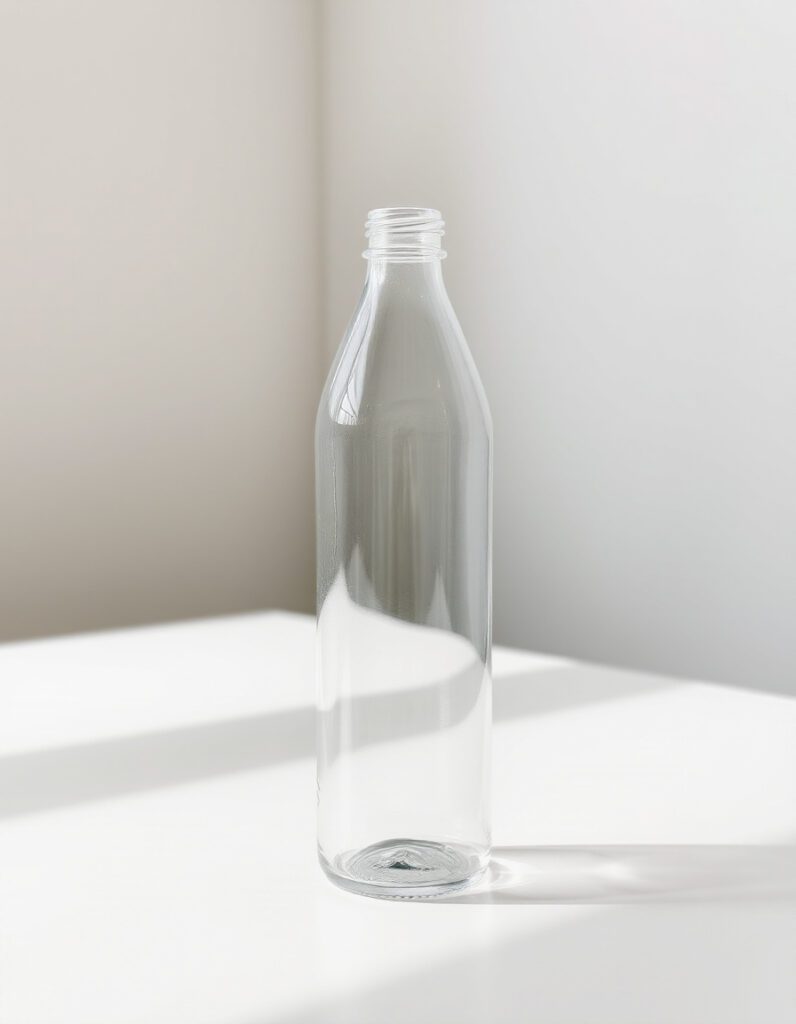
The stability issue often comes down to design and physics. Tall, narrow bottles with lightweight bases tend to tip more easily than shorter, wider ones.
The center of gravity plays a big role here. When a bottle’s weight sits too high, even a small bump can send it tumbling. Empty bottles are particularly prone to this since they lack the stabilizing weight of liquid at the bottom.
1. Add Weight to the Base of Your Water Bottle
One of the most effective ways to stop a water bottle from tipping is adding weight where it matters most. A heavier base lowers the center of gravity and makes the bottle more resistant to falling over.
You can place small adhesive weights or coins inside a silicone sleeve at the bottom. Some people use removable putty or mounting squares on the exterior base.
Just keep in mind that any added weight will make your bottle slightly heavier to carry. Start with small amounts and adjust based on what feels manageable.
2. Use a Non-Slip Base or Bottle Sleeve for Better Grip
A slippery surface under your bottle can contribute to instability. Adding grip to the bottom can help your water bottle stay in place on smooth desks, tables, or car cup holders.
Silicone sleeves or rubber base grips wrap around the bottom and create friction. These accessories are widely available and fit most standard bottle sizes.
You can also try adhesive rubber pads cut to size. They stick directly to the bottle base and provide a stable, grippy surface that resists sliding.
3. Choose Water Bottles with Wider, More Stable Bases
If you’re in the market for a new bottle, design matters. Bottles with wider bases naturally resist tipping better than tall, slim models.
Look for bottles where the base diameter is at least half the height. This creates a more stable footprint that’s harder to knock over.
Bottles with built-in stability features like flared bottoms or weighted bases can also help. These design elements work with physics rather than against it.
4. Store Your Water Bottle in a Holder or Stand
Sometimes the simplest solution is giving your bottle its own designated spot. A bottle holder or stand keeps it secure and prevents it from rolling away.
Desk organizers with built-in bottle compartments work well for office settings. Car cup holders with adjustable grips can accommodate various bottle sizes.
For bags and backpacks, side pockets with elastic tops or internal bottle sleeves help keep things upright. These compartments are specifically sized to hold bottles snugly in place.
5. Adjust How You Fill Your Water Bottle for Better Balance
The amount of liquid inside affects stability more than you might think. A partially filled bottle can be more top-heavy and prone to tipping.
Keeping your bottle at least two-thirds full helps maintain a lower center of gravity. The liquid weight at the bottom acts as a natural stabilizer.
Empty bottles are the most unstable. If you tend to drain your bottle completely, consider refilling it sooner or using one of the other stability methods when it’s empty.
6. Use Bottle Accessories That Improve Stability
Several accessories are designed specifically to address the tipping problem. These products can help without requiring you to replace your current bottle.
Bottle boots or protective silicone bottoms add both grip and a wider footprint. Some models include weighted inserts that slide into the base.
Carabiner clips or bottle straps let you attach your water bottle to bags or belts. This keeps it secure during transport and prevents it from falling when you set your bag down.
What to Watch Out For
Not every solution works for every situation. Adhesive products might not stick well to textured or curved bottle surfaces.
Adding too much weight can make your bottle cumbersome to carry around all day. It can also affect how the bottle fits in standard cup holders or bottle pockets.
Some silicone sleeves may trap moisture between the sleeve and bottle. Check occasionally and let both air out if you notice any buildup.
FAQ
Why does my water bottle keep falling over?
Water bottles tip over when their center of gravity is too high relative to their base width. Tall, narrow designs with lightweight bottoms are most prone to this issue.
Empty or partially filled bottles also fall more easily. The lack of weight at the bottom makes them top-heavy and unstable.
How to make a water bottle more stable?
Adding weight to the base can help lower the center of gravity. You can also use non-slip grips or silicone sleeves to increase friction with surfaces.
Choosing bottles with wider bases or using dedicated holders provides more stability. Keeping your bottle at least two-thirds full also helps with balance.
What causes water bottles to tip over easily?
Poor weight distribution is the main culprit. When most of the bottle’s mass sits near the top, it becomes easier to knock over.
Smooth, slippery bases combined with narrow diameters create an unstable foundation. The bottle can’t generate enough friction to stay in place when bumped.
How to fix a water bottle that won’t stand up?
Try adding grip to the bottom with adhesive rubber pads or a silicone boot. These create friction and help the bottle resist sliding.
If the design is inherently unstable, using a bottle holder or adding weight to the base can help. You might also consider switching to a bottle with a wider, more stable design.
Can a weighted base prevent water bottle tipping?
Yes, adding weight to the base can significantly improve stability. The extra mass lowers the center of gravity and makes the bottle harder to tip.
You can use adhesive weights, coins in a sleeve, or purchase bottles with built-in weighted bases. Start with small amounts and adjust based on your needs.
Do bottle sleeves help with stability?
Bottle sleeves can improve stability in two ways. They add grip to prevent sliding and can slightly increase the effective base width.
Some sleeves also include padding or reinforcement at the bottom that adds minor weight. The improvement might be modest, but every bit helps with particularly unstable bottles.
Final Thoughts
Dealing with water bottles that won’t stay upright doesn’t have to be a constant battle. These solutions can help you find the right fix for your specific bottle and situation.
Try one or combine several methods to see what works best. With a few adjustments, your water bottle can stay exactly where you put it.