This site contains affiliate links, view the disclosure for more information.
Sticky refrigerator shelves can make storing food frustrating. Small spills and drips tend to build up quickly, creating residue that attracts more mess.
These strategies can help you maintain cleaner storage spaces with less scrubbing.
Why Refrigerator Shelves Get Sticky So Quickly
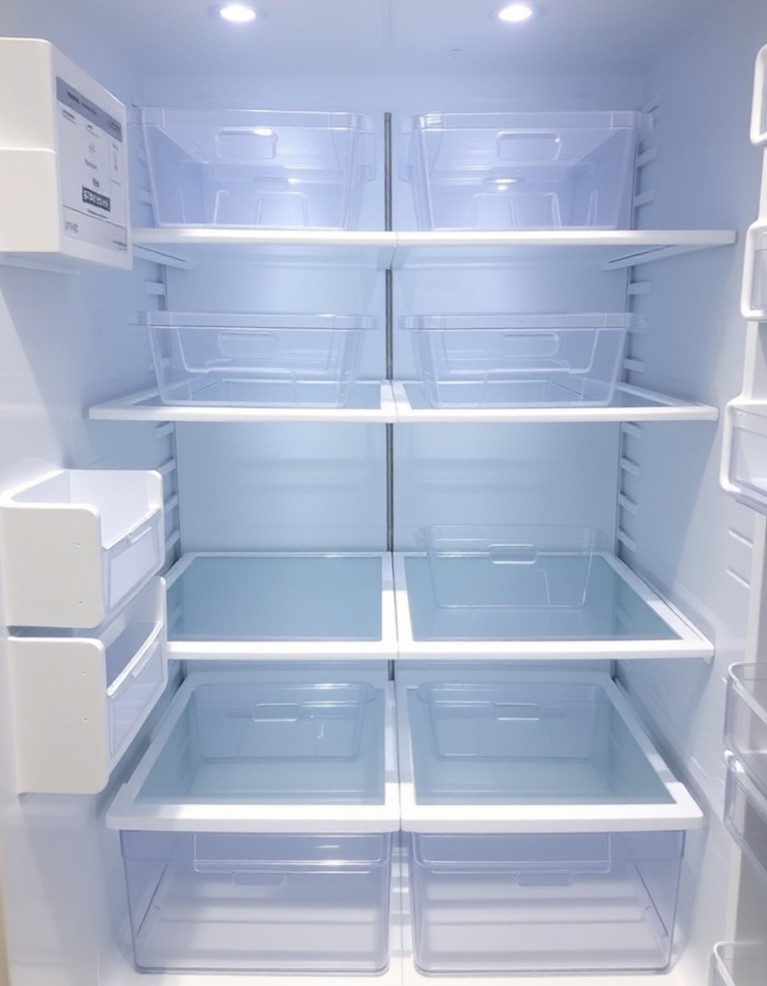
Food naturally releases moisture and sugars as it sits in cold storage. When containers leak or condensation forms, these liquids mix and create that tacky film.
The cool temperature actually slows evaporation. This means spills linger longer than they would at room temperature, giving them more time to spread and harden.
1. Use Shelf Liners to Catch Spills on Refrigerator Shelves
Shelf liners create a protective barrier between spills and the actual surface. When something drips, the liner catches it instead of letting it spread across glass or wire.
Removable liners make cleanup much simpler. You can pull them out, rinse them off, and return them in minutes.
Choose materials that don’t trap moisture underneath. Look for options with slight texture or ventilation.
2. Wipe Down Refrigerator Shelves Weekly With a Damp Cloth
A quick weekly wipe prevents buildup from becoming a bigger problem. Fresh spills come off easily when they haven’t had time to harden.
Keep a spray bottle of diluted vinegar nearby. A light mist and quick wipe takes less than five minutes for the whole fridge.
This habit can help you catch small messes before they turn sticky.
3. Store Condiments and Sauces in Bins to Prevent Fridge Drips
Bottles and jars often have residue on their caps or sides. When stored directly on shelves, these drips spread across multiple areas.
Grouping them in shallow bins contains any mess to one spot. The bin becomes the only thing you need to clean instead of the entire shelf.
Clear containers let you see what needs wiping without moving everything around.
Also Read: 6 Ways to Store Baking Ingredients Without Bulk Containers
4. Check Container Lids Before Placing Items on Refrigerator Shelves
Loose or cracked lids tend to leak during storage. Taking a moment to ensure everything seals properly can prevent many spills.
Test lids with a gentle tug before putting containers away. If something feels loose, transfer the contents or use plastic wrap as backup.
This small check might save you from discovering a mess later.
5. Place Paper Towels Under Produce to Absorb Moisture in the Fridge
Fruits and vegetables release water as they age. This moisture pools underneath and creates sticky spots mixed with organic matter.
A folded paper towel absorbs excess liquid before it spreads. Replace it when you notice it getting damp, usually every few days.
This approach works well in crisper drawers too, where humidity runs higher.
6. Clean Up Fresh Spills Immediately to Keep Refrigerator Shelves Clean
Fresh spills wipe away in seconds. Once they sit and cool, they bond to surfaces and require real scrubbing.
Keep a roll of paper towels or clean cloth in an easy-to-reach spot. When you notice a drip, address it right then instead of mentally noting it for later.
Immediate action typically prevents that sticky residue from forming at all.
Read More: 7 Smart Small Appliance Storage Ideas for Tight Kitchen Spaces
7. Organize Refrigerator Storage to Minimize Cross-Contamination
Strategic placement can reduce how often items come into contact with spills. Store leak-prone items on lower shelves where drips won’t affect food below.
Keep raw proteins in sealed containers on the bottom shelf. Place ready-to-eat foods higher up where they’re less likely to encounter drips.
This layout helps maintain cleaner shelves throughout the fridge.
8. Deep Clean Refrigerator Shelves Monthly to Prevent Buildup
Even with preventive habits, some residue accumulates over time. A monthly deep clean removes what daily maintenance misses.
Remove shelves completely and wash them in warm soapy water. This lets you reach corners and edges that quick wipes skip.
Taking this time each month can help reset your refrigerator shelf maintenance routine.
Extra Tips for Maintaining Clean Refrigerator Storage
Temperature settings affect how quickly moisture accumulates. If your fridge runs too cold, excess condensation forms and contributes to sticky surfaces.
Overfilling shelves makes spills more likely. When containers crowd together, they’re easier to knock over or squeeze until they leak.
Rotate older items to the front regularly. This reduces the chance of forgotten food liquefying in the back.
Frequently Asked Questions About Refrigerator Shelf Care
How often should you clean refrigerator shelves?
A light wipe-down once a week helps prevent buildup. Most refrigerators benefit from a deeper clean once a month where you remove and wash the shelves completely.
The frequency might vary based on how much you cook and what you store.
What causes refrigerator shelves to get sticky?
Spilled liquids, food residue, and natural moisture from produce create sticky buildup. Sugary substances and proteins bond to cold surfaces and become tacky as they dry.
The cool temperature slows evaporation, so messes linger longer than they would elsewhere.
What’s the best way to prevent spills in refrigerator storage?
Using bins and containers with secure lids can reduce most spills. Checking seals before storing items and organizing strategically also helps.
Shelf liners provide an extra layer of protection for catching drips before they spread.
How do you clean sticky residue from fridge shelves?
Warm soapy water works for most buildup. For stubborn spots, a paste of baking soda and water can help break down the residue without scratching.
Let the solution sit for a few minutes before wiping. Vinegar also cuts through sticky film effectively.
Should you use shelf liners in refrigerators?
Shelf liners can make cleanup easier by catching spills before they reach the shelf surface. Choose moisture-resistant materials that allow air circulation.
Some people prefer cleaning bare shelves directly. It depends on your maintenance preferences.
Can refrigerator organization prevent sticky shelves?
Better organization can reduce spills by keeping leak-prone items contained and separated. Strategic placement helps prevent cross-contamination between shelves.
Grouping similar items and using bins creates zones that are easier to monitor and clean.
Keep Your Refrigerator Shelves Fresh With Simple Habits
Maintaining clean refrigerator shelves doesn’t require intensive scrubbing if you build small preventive habits. Quick wipes, strategic storage, and immediate spill cleanup can keep surfaces cleaner between deep cleaning sessions.
Try incorporating one or two of these approaches into your routine. Small adjustments might make refrigerator shelf maintenance feel much more manageable.